Keeping Patients at the Forefront of Rare Disease Innovation: Hear from Alexion R&D leader Seng H. Cheng
More than 10,000 rare diseases have been identified, yet fewer than 10% have an approved treatment available. For many patients and families, the urgency is compounded by rapidly progressive disease, long diagnostic journeys and limited therapeutic options.
Developing medicines in this context demands a different kind of R&D discipline. Small patient populations, evolving knowledge of disease biology and highly specific community needs require research strategies that are scientifically rigorous, operationally agile and deeply informed by patient experience.
Addressing rare disease cannot rely solely on conventional development models. It requires fit-for-purpose frameworks that account for biological complexity, evidence generation in small populations and the need to move promising science toward patients with both speed and care.
At Alexion, this work is reflected in a diversified research and development pipeline that seeks to align each target with the modality best positioned to deliver meaningful impact. This includes advanced biologics, targeted fusion proteins, oligonucleotide therapies, small molecules and potentially curative approaches.
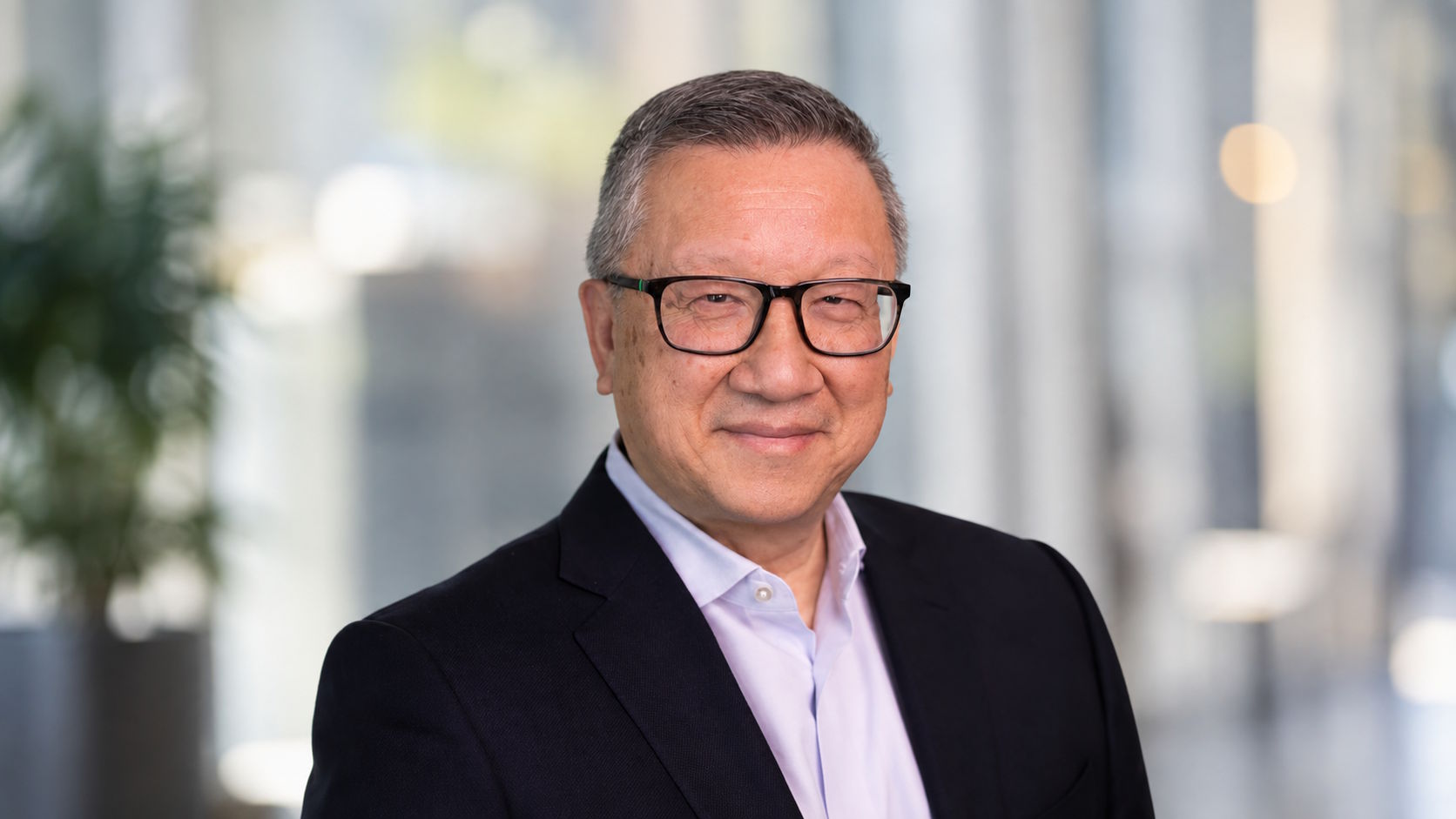
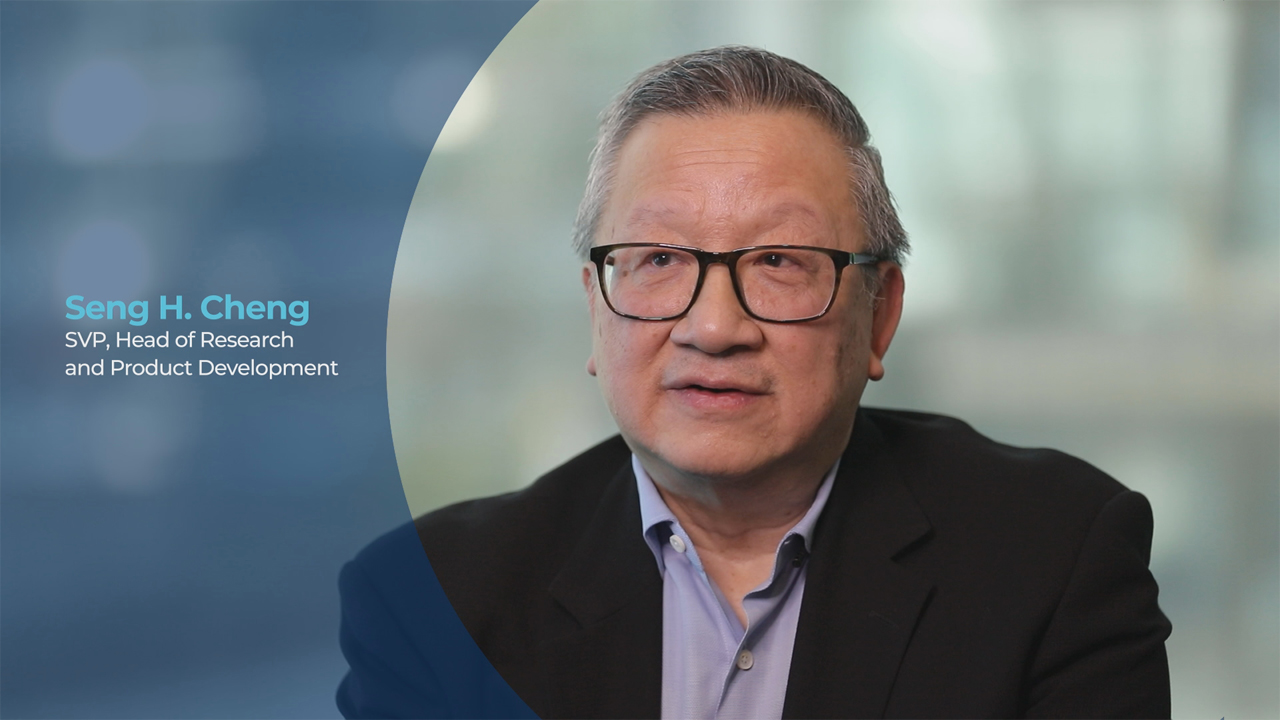
Seng H. Cheng, Head of Research and Product Development at Alexion, AstraZeneca Rare Disease reflects on the scientific creativity, sustained innovation and patient-centred urgency needed to advance new therapeutic possibilities for people living with rare diseases.
What is your role at Alexion?
My primary responsibility is to lead our teams in ideating, researching, developing and delivering investigational therapies that are both innovative and transformational for people living with rare diseases.
What led you to a career in rare disease research?
My interest in drug development is deeply personal and began early, inspired by seeing family members and friends live with congenital disorders. These experiences sparked my curiosity about the genetics underlying these conditions and motivated me to think about how science could help create solutions. Scientific research offers the opportunity to understand the biological basis of rare diseases and, in turn, to define and develop meaningful therapies. In rare diseases, this work requires particular creativity because there is often no precedent to follow. It is also an area of significant unmet need, with therapies available for only about 10% of the more than 10,000 rare disease indications described to date. These factors helped shape my early interests and growing commitment to drug development.
What about your work excites you?
I am particularly excited by the opportunities emerging from our deeper understanding of the biology of genetic diseases and from the emergence of powerful new technologies. Together, these advances can enable the development of therapies that are more precise and targeted to address the unmet needs of patients with limited treatment options. In some cases, such as cell and genomic therapies, they may even offer the potential for curative outcomes.
At Alexion, I believe we have created a culture that is driven by a sense of urgency, innovation and an unwavering commitment to patients with rare diseases. Our teams come together with a shared sense of purpose, working collaboratively to accelerate the discovery, development and delivery of medicines that can make a real difference in patients’ lives. We are bold in our vision, open to embracing risk motivated by a common goal to improve the quality of life of patients affected by severely debilitating diseases.
What do you think it takes to make meaningful progress in rare disease?
Early engagement with patients and families is an essential component to our developing effective therapies for rare diseases. As scientists, we naturally focus on the mechanisms of disease, translational and clinical research and evaluating technologies that could be brought to bear in the management of these indications, but the most important starting point is understanding how a disease affects a patient’s daily life and quality of life. That perspective helps determine which programs to pursue in earnest and how to design a research and development path toward therapies that can truly matter.
That commitment does not end with clinical testing and ultimately, regulatory approval of the drug. We always need to continue to ask what more can be done—what aspects of the disease experience remain unaddressed, and where a therapy may still fall short. Through what we call “serial innovation,” we often seek to build on each advance to develop the next generation of medicines for patients whose needs are not yet fully met—and to do this in a timely and expeditious manner.
Whether by deepening our understanding of complement biology or embracing new capabilities such as AI and new and emerging therapeutic modalities, we are continually searching for better ways to create meaningful solutions for people living with rare diseases—and to bring hope where too few options exist today.
This is our call to action: to listen deeply to patients and families, to follow the science with courage and urgency, and to work together across disciplines to turn discovery into breakthroughs that change patient lives.
Do you have any advice for someone considering a career in rare disease R&D?
First, cultivate a deep passion for learning and understanding the complexity of rare diseases—not only through the lens of science, but through the lived experience of patients and families. That perspective keeps us grounded in what truly matters: developing solutions that can meaningfully improve the lives of the people we aim to serve.
Some of the most meaningful moments in my journey as a research scientist have come from meeting patients living with rare diseases. Their stories remind me why our work matters and reinforce the urgency of bringing hope, answers and better options to those who face these challenges every day.
Second, embrace creativity. In rare disease research, we are often entering uncharted scientific territory. For many of the diseases we pursue, there is no precedent to follow, which means we must be bold, imaginative and disciplined in how we design and execute our research and development programs.
And third, stay deeply committed and move with urgency. Patients and families cannot wait, and our responsibility is to turn scientific insights into meaningful therapies with focus, courage and purpose.
Ultimately, this work is about more than advancing science—it is about changing what is possible for patients and caregivers who are waiting for answers. If we remain curious, courageous and united by purpose, we can help transform rare disease research into hope, progress and meaningful therapies that change lives.
Learn more about our scientists, innovative culture and career opportunities at Alexion
More articles you may like

Article • September 22, 2026
How can data, healthcare access and global collaboration advance health equity in rare diseases?
Living with a rare disease is inherently inequitable. More than 400 million people worldwide live with a rare disease, yet in many countries, it can take years to receive a diagnosis.1 Even once a diagnosis is confirmed, fewer than 10% of known rare diseases have an approved treatment.1 People living with rare diseases face inconsistent access to diagnostics, specialist care and treatments. These disparities are amplified in rural and lower-resource settings. The result is a persistent global gap between what is scientifically possible and what is practically accessible.
Thought Leadership • August 19, 2026
Advancing Rare Disease Research Through Patient-Centric Trial Design: Hear from Alexion R&D leader Gianluca Pirozzi
As Head of Development, Regulatory and Safety at Alexion, Gianluca Pirozzi channels his life’s experience with rare disease to inform his work at Alexion, ensuring clinical programmes are fueled by a patient-focused mindset.

Data Science and AI • August 13, 2026
AI to shorten the rare disease diagnosis
More than 10,000 rare diseases are known today, yet the path to diagnosis remains one of
medicine’s most complex challenges. Symptoms are often non-specific, allowing rare
conditions to hide in plain sight, especially when physicians may encounter them perhaps
once or twice in a career, if at all.
Research and Development • August 12, 2026
Following the Science: The Evolution of Complement Inhibition in Rare Disease
Building on a legacy in complement science, we are advancing a new era of medicines focused on precision, specificity and improved outcomes for patients.
Research and Development • July 16, 2026
Advancing genomic medicine in rare diseases
Genomics, the science of how genes function and interact, is helping shape how rare diseases are understood and treated. With approximately 80% of rare diseases believed to have a genetic cause, genomic medicine for rare diseases may support more precise approaches that aim to address disease at its genetic source. This includes innovation across gene therapy, with the aim of expanding options for patients with rare diseases.

Health Equity • May 21, 2026
Understanding treatment impact and addressing disparities in rare disease care
Alexion’s leadership in rare disease is driven by the many individuals whose expertise, creativity and tenacity fuel our commitment to advancing innovative science.

Article • May 11, 2026
Tina’s Big Trip
Tina’s Big Trip is a heartfelt book that follow two sisters preparing for a journey to Italy as their family navigates the unseen complexities of rare disease.

Article • February 03, 2026
Pioneering new possibilities for the rare disease community
Rare Disease Day unites communities to drive strategies, funding, diagnosis and treatment, connecting local and global efforts for earlier, equitable care.

Clinical Trials • October 15, 2026
Shaping the future of R&D with real world insights into rare disease
Studying a rare disease often involves working with fragmented information, much like piecing together scattered pages of different books, each offering part of the story but rarely forming a complete picture. Researchers face this challenge due to small, often underdiagnosed, patient populations and limited understanding of how these diseases progress over time.
Veeva ID: GL/ALL/0041