Getting to know Chathuri Daluwatte, an Alexion R&D Leading Voice
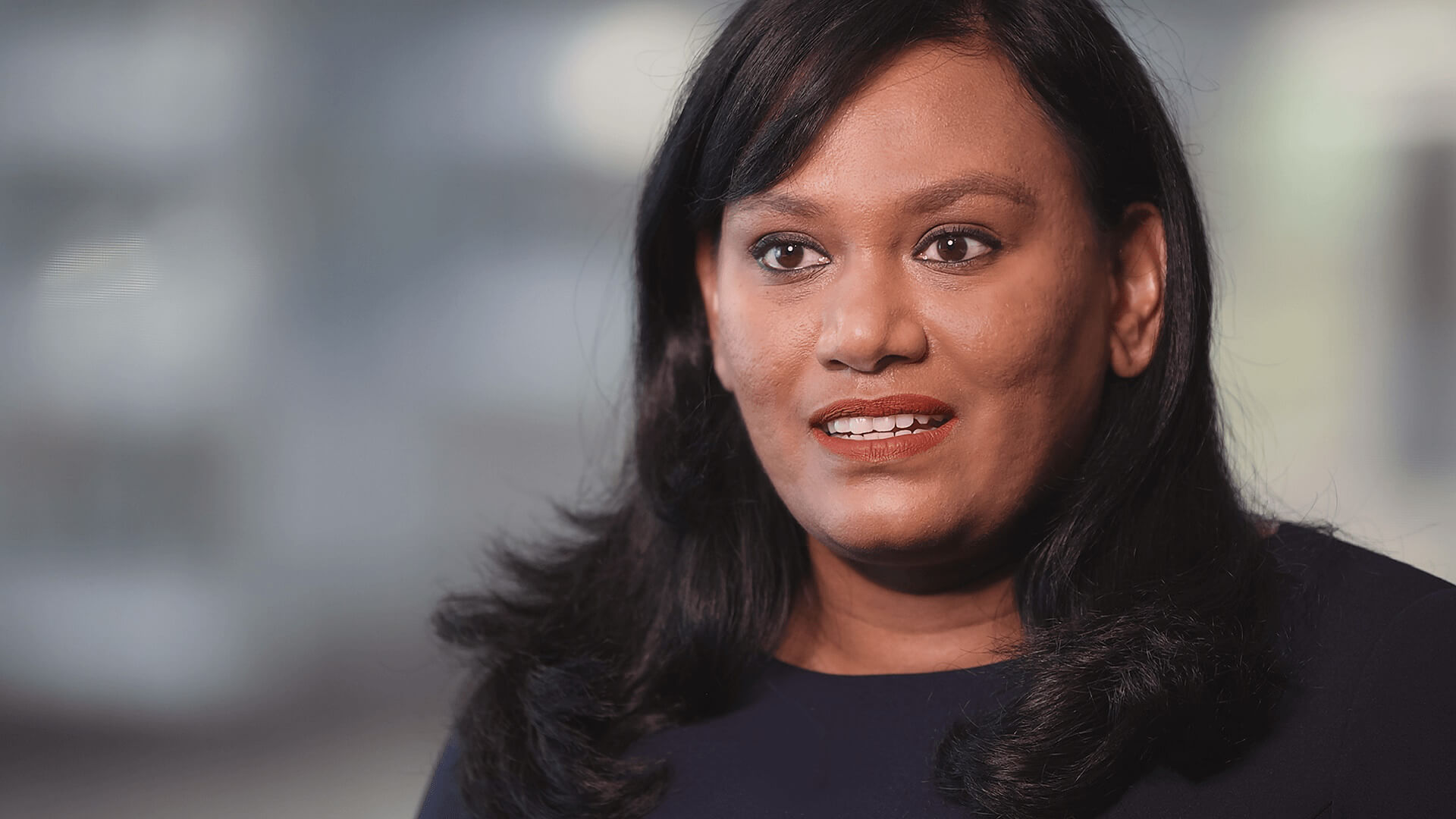
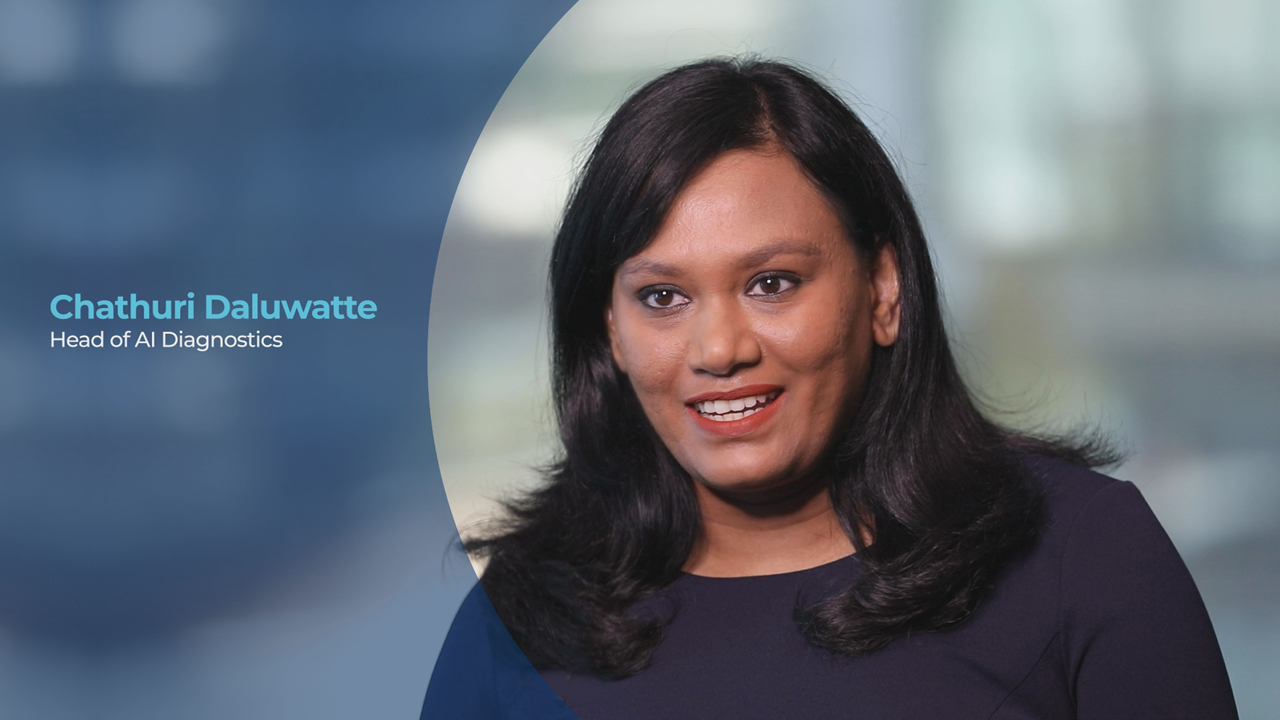
Artificial Intelligence (AI) is rapidly advancing and has the potential to have a transformative impact on clinical research and development (R&D). We spoke to Chathuri Daluwatte, who leads Alexion’s AI Diagnostics team, about the opportunity for AI technology to shorten the diagnostic journey for rare disease patients and her personal connection that drives her work.
Can you explain the role of the AI Diagnostics team?
First, I think it is helpful to define how we think about AI, which can have a multitude of definitions across industries. In the life sciences industry, we consider it a calculation or an algorithm that goes beyond rule-based calculation to reach a solution. The AI diagnostic team at Alexion is focused on exploring and harnessing opportunities to use these algorithms to improve the diagnostic journey for rare disease patients.
This is critical because the diagnostic experience, which is often referred to as a diagnostic odyssey, can be long and arduous, especially when a patient’s disease is not well understood. This is far too common for people living with rare diseases, where it can take an average of five years, but often longer, and involve visits to an average of seven specialists to reach an accurate diagnosis. We believe that AI can have a significant impact on this journey, enabling patients to get answers more quickly.
How do you see AI helping to shorten the diagnostic odyssey?
I am in an interesting position as both a patient and an expert in the field. I live with a rare disease that took 12 years to accurately diagnose, and I can attest to the acute challenges associated with getting answers when physician awareness of your condition is low. My own experience is a prime example of the opportunity AI represents.
The first test to try to identify the cause of my symptoms was an ultrasound, evaluated by someone who was not a rare disease specialist, and I didn’t receive a diagnosis from that test. Twelve years later, I was diagnosed after an ultrasound test was reviewed by a rare disease specialist. I believe that if that first health care professional had been able to use AI on my original ultrasound, it would have prompted them to consider my rare disease, even though they weren't an expert on the subject.
The idea is that AI will enable knowledge, normally concentrated among experts and specialists, to be widely accessible across patient care teams, especially among frontline healthcare providers—where rare disease patients typically begin their diagnostic journey. These technologies have the potential to help physicians parse through a wealth of data and identify patterns that could help them to more rapidly reach an accurate diagnosis.
How did you get involved in this field?
My interest started with computer programming as a child. I wrote my first program when I was 10 years old, and since then, I’ve always had a passion for computer science. I liked the experience of creating something that didn’t exist, and AI is powering a lot of those opportunities today. I have always been curious about biology as well so I sought a path that would allow me to merge these two disciplines.
I got my PhD in Biomedical Engineering and have since dedicated my career to harnessing the power of AI to support the life sciences. I started with roles in medical devices and that ultimately led me to work in the pharmaceutical industry where there is immense potential to bridge medicine and technology through AI to improve outcomes for patients.
What about your work excites you the most?
I am very optimistic about what I view as the unlimited potential of AI across a spectrum of diagnostics. A growing investment is being made across the healthcare industry in this technology, and we’re primed as an organization to innovate with this technology to improve the patient experience.
In addition to AI’s role in fostering greater awareness of rare diseases, there’s a wealth of opportunity to harness AI to support clinical development, including trial enrolment, companion diagnostics and digital therapeutics. I thrive on exploring new areas of study, and there is so much uncharted territory in AI.
Alexion as a leader in rare disease is really invested in advancing these possibilities. The collaborative nature of this organization and our culture of rolling up our sleeves to get the work done for the people who need it most positions us to deliver on this potential, and that is really thrilling.
What’s one lesson you’ve learned from working in rare disease R&D?
I’ve learned the importance of diversity of thinking, which is critical for the development and advancement of AI as well as many other aspects of rare disease R&D. By this I mean concepts like gender or race, but also the practice of medicine. When it comes to AI’s utility, it is only as valuable as the data we give it. It’s imperative that we continue to champion bringing all angles of diversity into every aspect of our work, so the data AI is using is reflective of the people we seek to help. Only then can we fully leverage the potential of AI to drive meaningful change and ensure no one is left behind as this technology — and the diagnostic advances it enables — evolves.
Learn more about our scientists, innovative culture and career opportunities at Alexion.
More articles you may like

Article • September 22, 2026
How can data, healthcare access and global collaboration advance health equity in rare diseases?
Living with a rare disease is inherently inequitable. More than 400 million people worldwide live with a rare disease, yet in many countries, it can take years to receive a diagnosis.1 Even once a diagnosis is confirmed, fewer than 10% of known rare diseases have an approved treatment.1 People living with rare diseases face inconsistent access to diagnostics, specialist care and treatments. These disparities are amplified in rural and lower-resource settings. The result is a persistent global gap between what is scientifically possible and what is practically accessible.
Thought Leadership • August 19, 2026
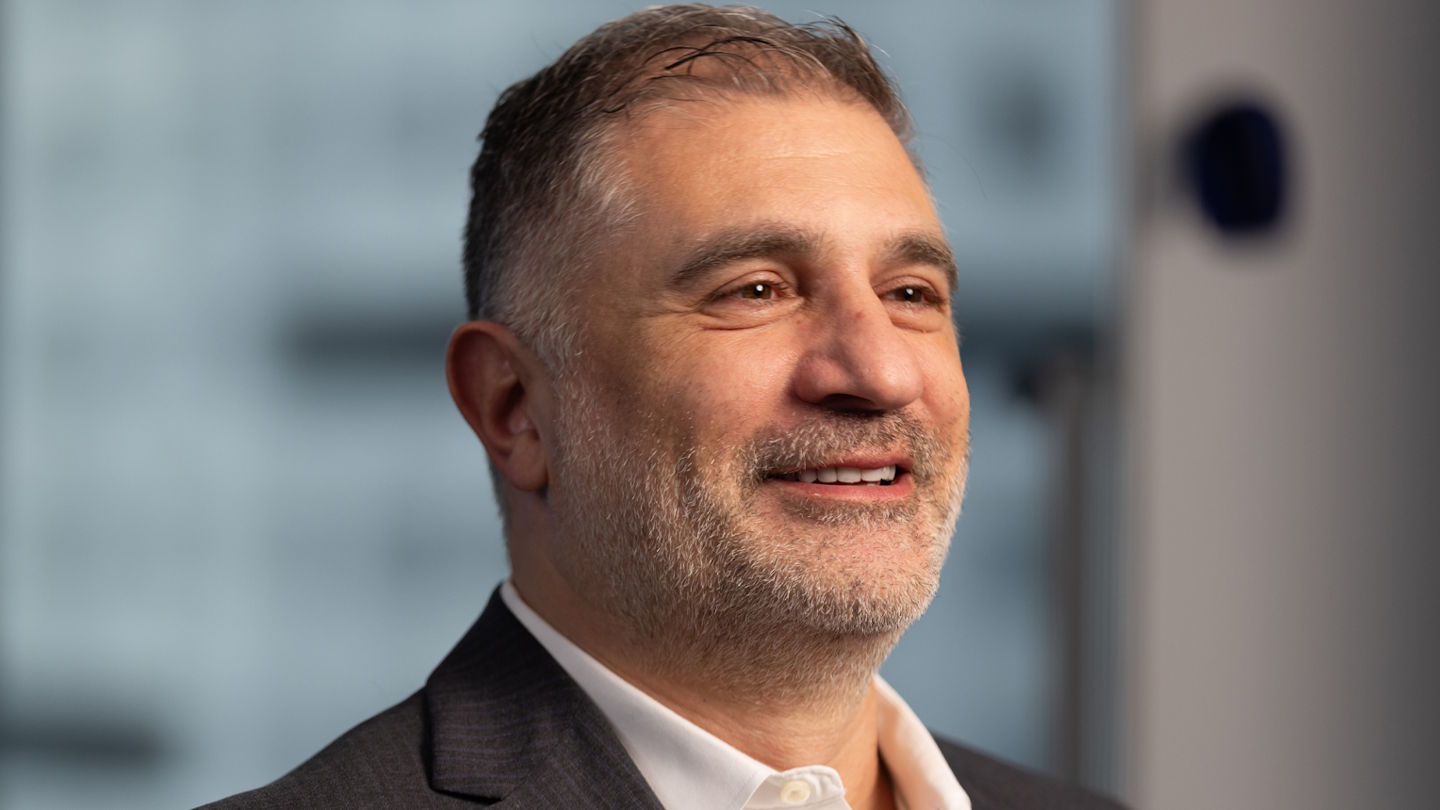
Advancing Rare Disease Research Through Patient-Centric Trial Design: Hear from Alexion R&D leader Gianluca Pirozzi
As Head of Development, Regulatory and Safety at Alexion, Gianluca Pirozzi channels his life’s experience with rare disease to inform his work at Alexion, ensuring clinical programmes are fueled by a patient-focused mindset.

Data Science and AI • August 13, 2026
AI to shorten the rare disease diagnosis
More than 10,000 rare diseases are known today, yet the path to diagnosis remains one of
medicine’s most complex challenges. Symptoms are often non-specific, allowing rare
conditions to hide in plain sight, especially when physicians may encounter them perhaps
once or twice in a career, if at all.
Thought Leadership • August 12, 2026
Keeping Patients at the Forefront of Rare Disease Innovation: Hear from Alexion R&D leader Seng H. Cheng
More than 10,000 rare diseases have been identified, yet fewer than 10% have an approved treatment available. For many patients and families, the urgency is compounded by rapidly progressive disease, long diagnostic journeys and limited therapeutic options.
Research and Development • August 12, 2026
Following the Science: The Evolution of Complement Inhibition in Rare Disease
Building on a legacy in complement science, we are advancing a new era of medicines focused on precision, specificity and improved outcomes for patients.
Research and Development • July 16, 2026
Advancing genomic medicine in rare diseases
Genomics, the science of how genes function and interact, is helping shape how rare diseases are understood and treated. With approximately 80% of rare diseases believed to have a genetic cause, genomic medicine for rare diseases may support more precise approaches that aim to address disease at its genetic source. This includes innovation across gene therapy, with the aim of expanding options for patients with rare diseases.

Health Equity • May 21, 2026
Understanding treatment impact and addressing disparities in rare disease care
Alexion’s leadership in rare disease is driven by the many individuals whose expertise, creativity and tenacity fuel our commitment to advancing innovative science.

Article • May 11, 2026
Tina’s Big Trip
Tina’s Big Trip is a heartfelt book that follow two sisters preparing for a journey to Italy as their family navigates the unseen complexities of rare disease.

Article • February 03, 2026
Pioneering new possibilities for the rare disease community
Rare Disease Day unites communities to drive strategies, funding, diagnosis and treatment, connecting local and global efforts for earlier, equitable care.

Clinical Trials • October 28, 2025
Shaping the future of R&D with real world insights into rare disease
Studying a rare disease often involves working with fragmented information, much like piecing together scattered pages of different books, each offering part of the story but rarely forming a complete picture. Researchers face this challenge due to small, often underdiagnosed, patient populations and limited understanding of how these diseases progress over time.
Veeva ID: GL/ALL/0044