
Understanding treatment impact and addressing disparities in rare disease care

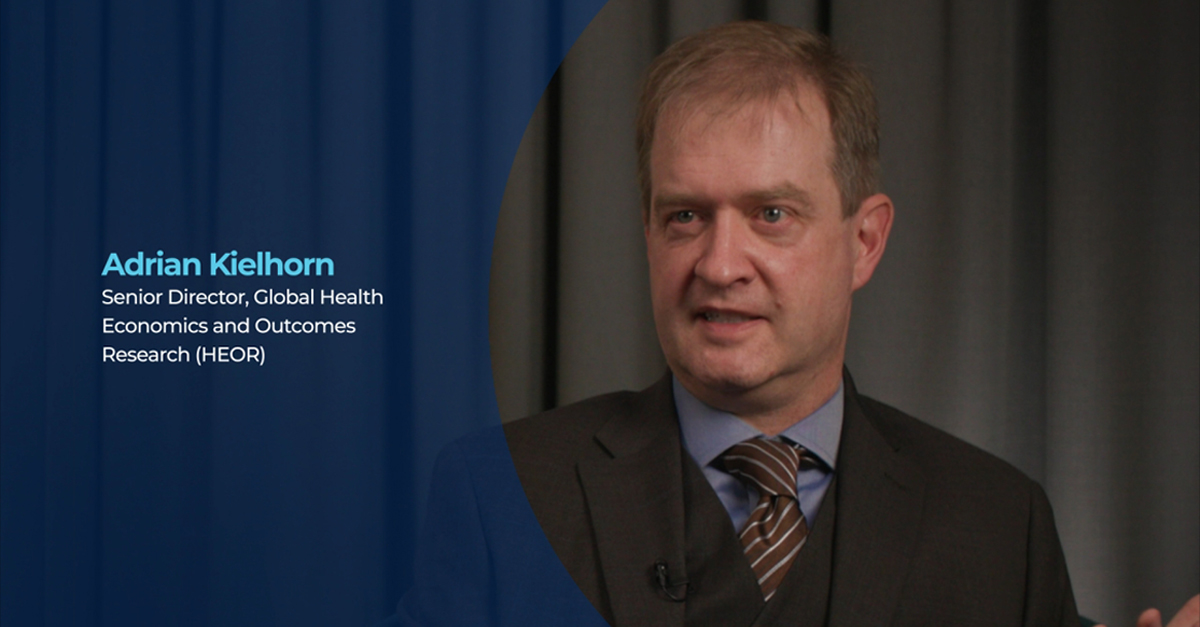
Alexion’s leadership in rare disease is driven by the many individuals whose expertise, creativity and tenacity fuel our commitment to advancing innovative science. Adrian Kielhorn is a Senior Director of Global Health Economics and Outcomes Research (HEOR). We spoke with him about his passion for problem solving, what motivates him, and what makes working in rare disease unique.
Can you explain the role of the Health Economics and Outcomes Research (HEOR) team?
Fundamentally, the HEOR team focuses on measuring how treatments help improve the lives of patients, often over an extended period of time. This is really important in rare disease, where so little is known about the true burden of disease on patients and caregivers. So, to really understand the value of a medicine, we need to understand what life looks like before a rare disease diagnosis.
This is hard to measure just by conducting clinical studies, which are driven by quantitative metrics, so we have to do additional qualitative research – interviewing patients and asking open-ended questions that prompt conversation – to get a better sense of how life has changed since symptoms began.
How did you get involved in a career in health economics and outcomes research?
So, when I was studying at University of Hannover [Deutschland], one of my professors was involved in developing and validating a quality-of-life measurement tool which was brand new at that time. And I really liked this area between medicine and economics and how to evaluate the benefit of innovations by developing tools that could help measure changes in quality of life.
I like doing new things. So, I got attracted to this area, started working for him as a part time research assistant, which ultimately led to my career working in the pharmaceutical industry.
What led you to a job in rare disease?
I was drawn to rare disease because I believe that communities affected by rare conditions most need our help. A lot of the health economics tools that we develop for big or more common diseases, they don't really work in rare diseases. So, you have to adapt them, you have to come up with new ways. This is really a challenge I like working on.
Rare disease is really the ultimate area to be in [for] me because there are so many tools that we need to develop from scratch. It's really a challenge that I like every day, to find ways to capture what's important to patients with rare diseases.
What about your current work excites you?
One area I’m particularly excited about is trying to develop effective solutions for patients and make a real difference when it comes to addressing health equity challenges. To do that, first we need to understand barriers to care that patients are facing, such as limited access to providers or transportation to appointments.
Qualitative research helps us understand these challenges. We’re engaging patients in ways that go beyond checking a box on a form to better understand the socioeconomic, demographic and cultural considerations that affect their healthcare experience. This is particularly important in marginalized groups where specific barriers may prevent them from participating in clinical trials. Our hope is that this research will help us create clinical trials that better reflect the populations affected by certain diseases.
Do you have any advice for someone considering a career in rare disease R&D (research and development)?
I am lucky to work in rare disease because it combines the professional challenges that interest me with an opportunity to advance understanding about diseases that are not well understood.
Learn more about our scientists, innovative culture, career opportunities at Alexion.
More articles you may like

Article • September 22, 2026
How can data, healthcare access and global collaboration advance health equity in rare diseases?
Living with a rare disease is inherently inequitable. More than 400 million people worldwide live with a rare disease, yet in many countries, it can take years to receive a diagnosis.1 Even once a diagnosis is confirmed, fewer than 10% of known rare diseases have an approved treatment.1 People living with rare diseases face inconsistent access to diagnostics, specialist care and treatments. These disparities are amplified in rural and lower-resource settings. The result is a persistent global gap between what is scientifically possible and what is practically accessible.
Thought Leadership • August 19, 2026
Advancing Rare Disease Research Through Patient-Centric Trial Design: Hear from Alexion R&D leader Gianluca Pirozzi
As Head of Development, Regulatory and Safety at Alexion, Gianluca Pirozzi channels his life’s experience with rare disease to inform his work at Alexion, ensuring clinical programmes are fueled by a patient-focused mindset.

Data Science and AI • August 13, 2026
AI to shorten the rare disease diagnosis
More than 10,000 rare diseases are known today, yet the path to diagnosis remains one of
medicine’s most complex challenges. Symptoms are often non-specific, allowing rare
conditions to hide in plain sight, especially when physicians may encounter them perhaps
once or twice in a career, if at all.

Thought Leadership • August 12, 2026
Keeping Patients at the Forefront of Rare Disease Innovation: Hear from Alexion R&D leader Seng H. Cheng
More than 10,000 rare diseases have been identified, yet fewer than 10% have an approved treatment available. For many patients and families, the urgency is compounded by rapidly progressive disease, long diagnostic journeys and limited therapeutic options.
Research and Development • August 12, 2026
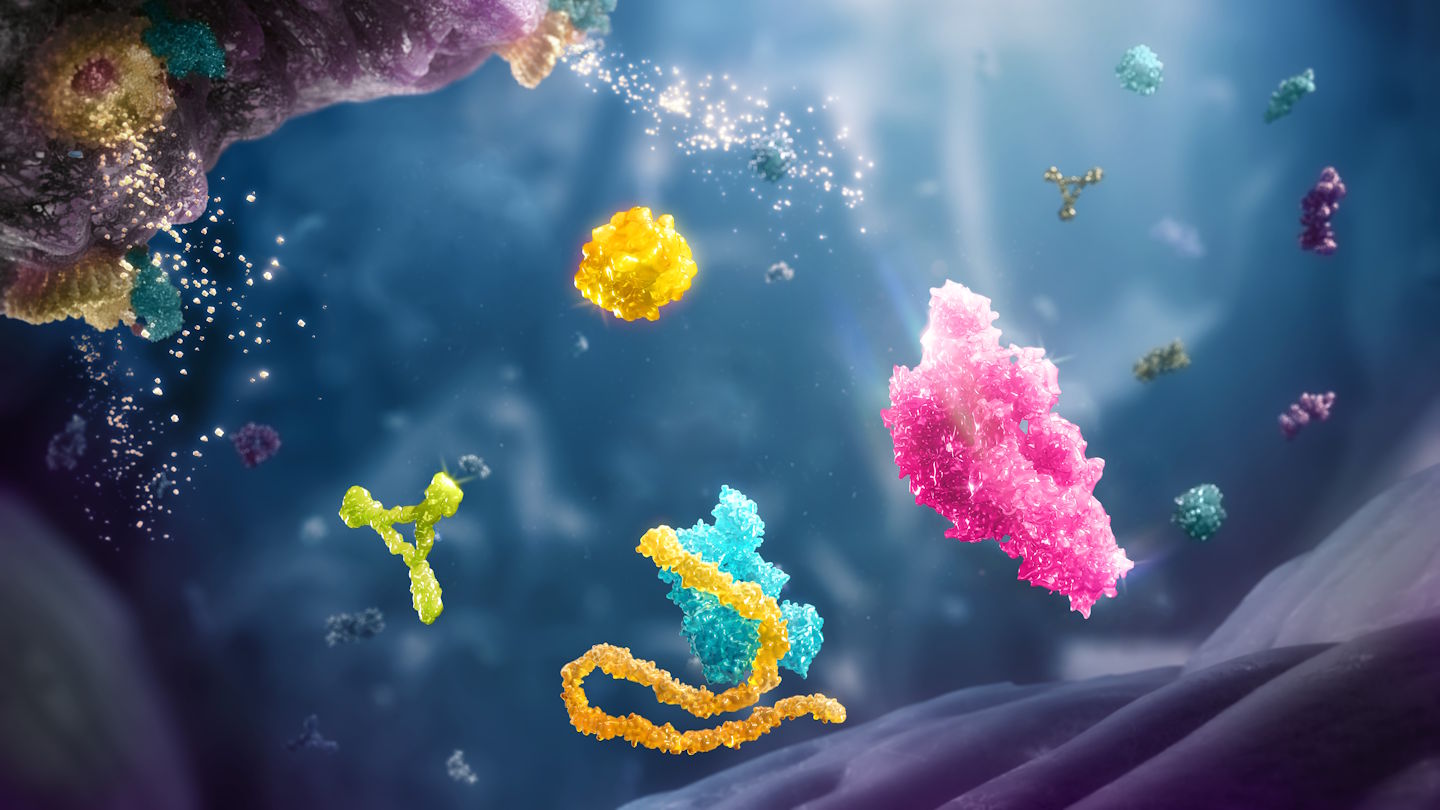
Following the Science: The Evolution of Complement Inhibition in Rare Disease
Building on a legacy in complement science, we are advancing a new era of medicines focused on precision, specificity and improved outcomes for patients.
Research and Development • July 16, 2026
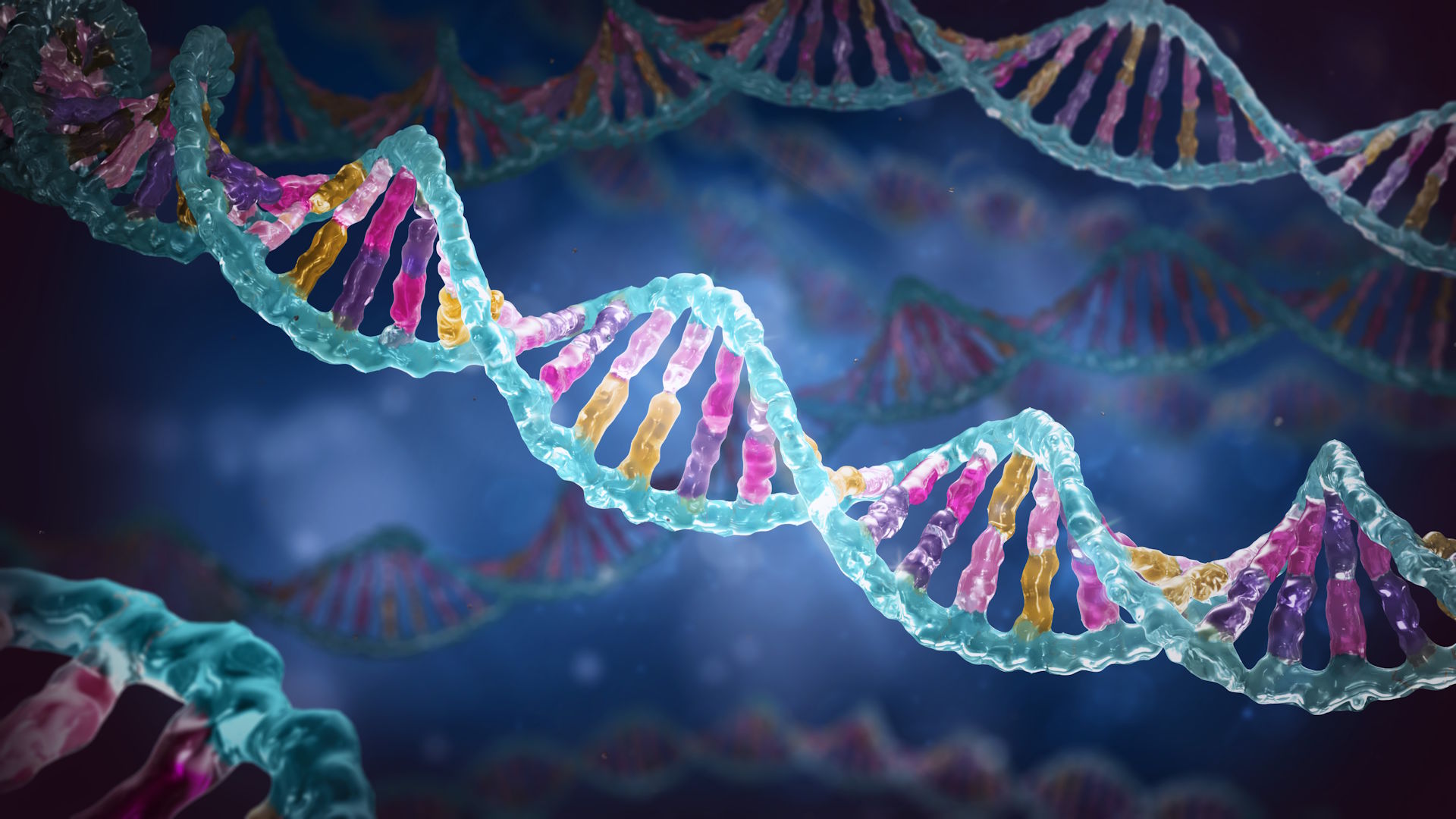
Advancing genomic medicine in rare diseases
Genomics, the science of how genes function and interact, is helping shape how rare diseases are understood and treated. With approximately 80% of rare diseases believed to have a genetic cause, genomic medicine for rare diseases may support more precise approaches that aim to address disease at its genetic source. This includes innovation across gene therapy, with the aim of expanding options for patients with rare diseases.

Article • May 11, 2026
Tina’s Big Trip
Tina’s Big Trip is a heartfelt book that follow two sisters preparing for a journey to Italy as their family navigates the unseen complexities of rare disease.

Article • February 03, 2026
Pioneering new possibilities for the rare disease community
Rare Disease Day unites communities to drive strategies, funding, diagnosis and treatment, connecting local and global efforts for earlier, equitable care.

Clinical Trials • October 28, 2025
Shaping the future of R&D with real world insights into rare disease
Studying a rare disease often involves working with fragmented information, much like piecing together scattered pages of different books, each offering part of the story but rarely forming a complete picture. Researchers face this challenge due to small, often underdiagnosed, patient populations and limited understanding of how these diseases progress over time.
Veeva ID: GL/NP/0102