- Home
- News Centre Resources
- Translating Global Policy Commitments into Meaningful Change for People Living with Rare Diseases
Translating Global Policy Commitments into Meaningful Change for People Living with Rare Diseases

Written by: Christophe Hotermans, SVP, Head of Global Medical Affairs & Soraya Bekkali, SVP, EUCAN and International Business
Scientific advances in rare neurology have transformed lives around the world, yet significant gaps in care persist.
Diagnostic delays, fragmented care pathways, uneven access to specialist and multidisciplinary care, under-recognised treatment burden, limited use of patient-reported outcomes and inequitable access to innovation continue to prevent healthcare systems from delivering these advances to everyone who needs them. Behind each gap are people navigating profound uncertainty and disruption – a reality that must remain at the centre of how we define the problem and the solution.
That is why Alexion is working closely with leading neurology organisations like the European Brain Council (EBC), alongside scientific societies, clinicians, patient advocates, researchers and industry stakeholders to turn global policy commitments – including the World Health Organisation (WHO) Intersectoral Global Action Plan on Epilepsy and Other Neurological Disorders and the World Health Assembly (WHA) Resolution on Rare Diseases – into tangible improvements in rare neurology care. In line with the principles of EBC’s Rethinking Myasthenia Gravis, we believe meaningful change is achieved when solutions are co-created with the communities they are intended to serve, ensuring lived experience directly shapes how policy translates into better care.
The Gaps Between Policy and Practice
While these initiatives have raised the profile of neurological and rare diseases as global health priorities, ambition on paper does not automatically improve care at the bedside. For instance:
- In the European Union, patients wait an average of 597 days after marketing authorisation before a new rare disease medicine becomes available, with some countries waiting years longer than others.
- Only a third of WHO member states have national policies or frameworks addressing neurological disorders, and just a quarter include these conditions in universal healthcare benefits packages.
The gap is clear – scientific progress and health-system readiness do not always move at the same pace. As research creates new possibilities, healthcare systems must evolve with speed so advances can reach patients equitably and in time.
gMG as a Case Study
Generalised myasthenia gravis (gMG) illustrates this gap. Scientific understanding has advanced significantly over the past decade, and success is no longer defined by symptom control alone but by rapid, continuous disease control, better tolerability, reduced treatment burden – including burden associated with prolonged steroid exposure – and the restoration of quality of life.
Even so, nearly one in five patients undergo eight or more consultations before they receive a correct diagnosis. Fragmented pathways and unequal specialist access then complicate ongoing management, blunting the real-world value of clinical innovation.
Implementation is now the central challenge: earlier diagnosis, stronger referral networks, better coordination and improved specialist access are essential to closing global health equity gaps in rare neurology.
Harnessing Evidence to Drive Change
System-wide change requires evidence showing where care breaks down and which interventions deliver the greatest benefit. Alexion is contributing that evidence across three priority areas:
-
Earlier recognition and referral
Quantifying the value and benefit of faster rare disease diagnosis for patients, systems and society.
-
Coordinated, multidisciplinary care
Supporting community-led initiatives, including Rethinking Myasthenia Gravis, which examines where pathways fragment and how optimising care pathways improves quality and economic sustainability.
-
Patient-relevant outcomes and holistic burden assessment
In partnership with patients and patient organisations, measuring the personal, economic and societal impact of gMG effects on functioning, mental health, caregivers and productivity that clinical scores alone cannot convey. Because those living with gMG should help define which outcomes are measured and what meaningful improvement looks like.
From Global Goals to Country Coordination
Scientific progress and policy momentum have created an opportunity to transform care for people living with rare neurological diseases like gMG, and global commitments reinforce the groundswell of support behind this cause.
Implementation is the shared responsibility of policymakers, societies, advocacy organisations, industry and other stakeholders. Progress will ultimately be judged not only by modernised health systems and streamlined care pathways, but by the tangible patient impact – faster diagnosis, equitable access, reduced treatment burden and a greater ability for people living with rare neurological diseases to live well. We look forward to continuing our multi-stakeholder work to make this ambition a reality.
Interested in Learning More?
Experience the resilience and strength of three individuals living with gMG. Watch their stories at RareConnectionsFilms.com
Share This Page
Featured Content (Articles)
Clinical Trials • October 15, 2026
Shaping the future of R&D with real world insights into rare disease
Studying a rare disease often involves working with fragmented information, much like piecing together scattered pages of different books, each offering part of the story but rarely forming a complete picture. Researchers face this challenge due to small, often underdiagnosed, patient populations and limited understanding of how these diseases progress over time.

Article • September 22, 2026
How can data, healthcare access and global collaboration advance health equity in rare diseases?
Living with a rare disease is inherently inequitable. More than 400 million people worldwide live with a rare disease, yet in many countries, it can take years to receive a diagnosis.1 Even once a diagnosis is confirmed, fewer than 10% of known rare diseases have an approved treatment.1 People living with rare diseases face inconsistent access to diagnostics, specialist care and treatments. These disparities are amplified in rural and lower-resource settings. The result is a persistent global gap between what is scientifically possible and what is practically accessible.
Thought Leadership • August 19, 2026
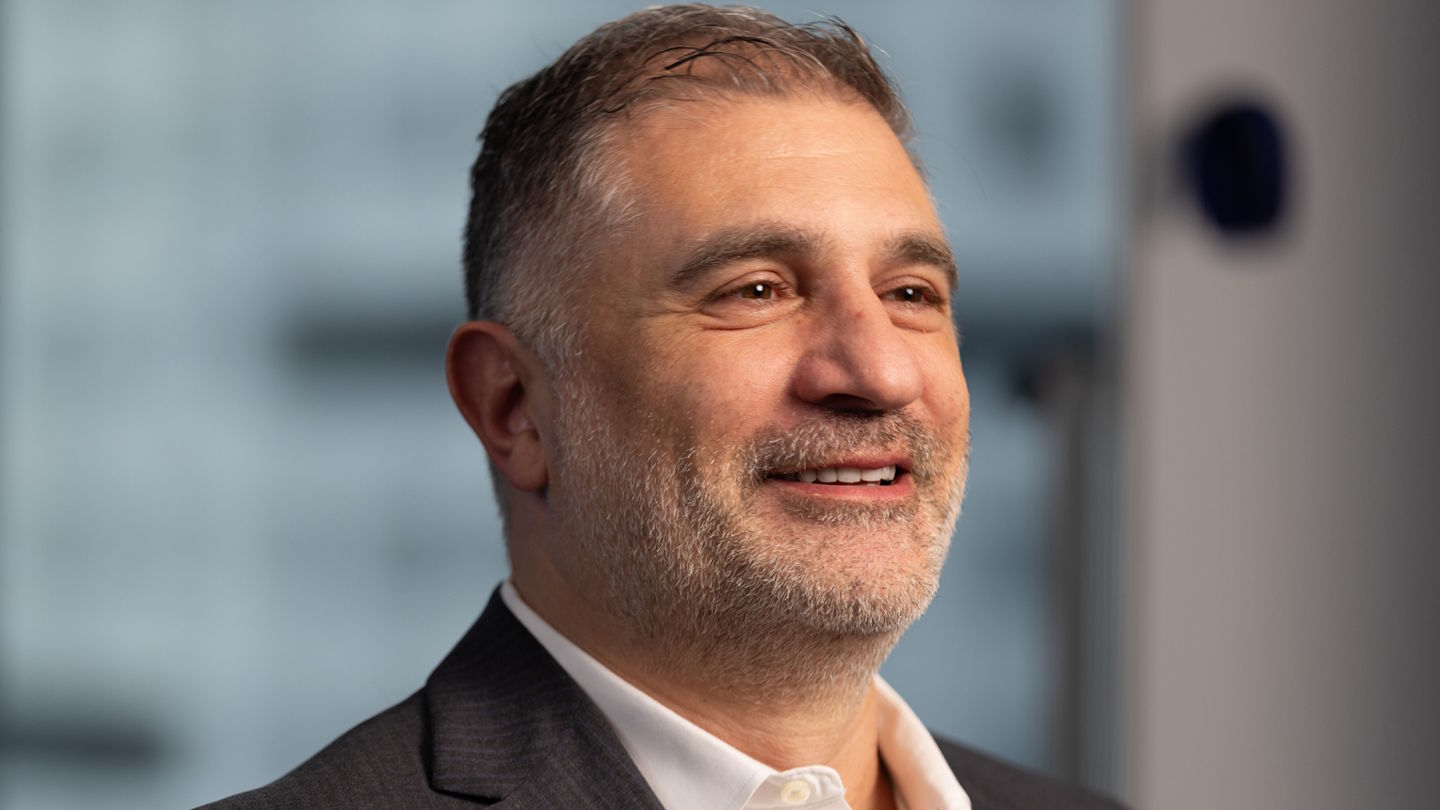
Advancing Rare Disease Research Through Patient-Centric Trial Design: Hear from Alexion R&D leader Gianluca Pirozzi
As Head of Development, Regulatory and Safety at Alexion, Gianluca Pirozzi channels his life’s experience with rare disease to inform his work at Alexion, ensuring clinical programmes are fueled by a patient-focused mindset.

Data Science and AI • August 13, 2026
AI to shorten the rare disease diagnosis
More than 10,000 rare diseases are known today, yet the path to diagnosis remains one of
medicine’s most complex challenges. Symptoms are often non-specific, allowing rare
conditions to hide in plain sight, especially when physicians may encounter them perhaps
once or twice in a career, if at all.
Thought Leadership • August 12, 2026
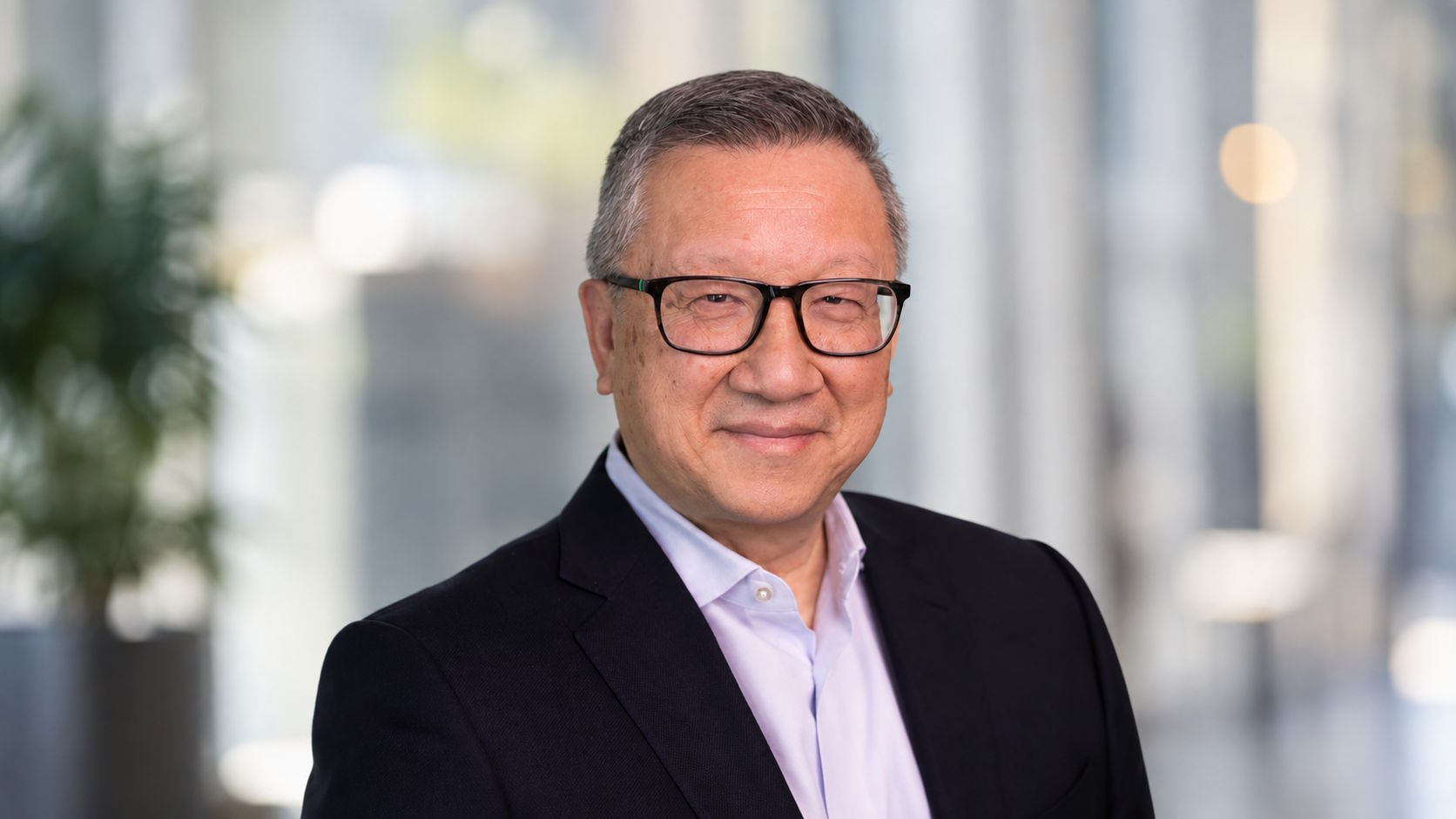
Keeping Patients at the Forefront of Rare Disease Innovation: Hear from Alexion R&D leader Seng H. Cheng
More than 10,000 rare diseases have been identified, yet fewer than 10% have an approved treatment available. For many patients and families, the urgency is compounded by rapidly progressive disease, long diagnostic journeys and limited therapeutic options.
Research and Development • August 12, 2026
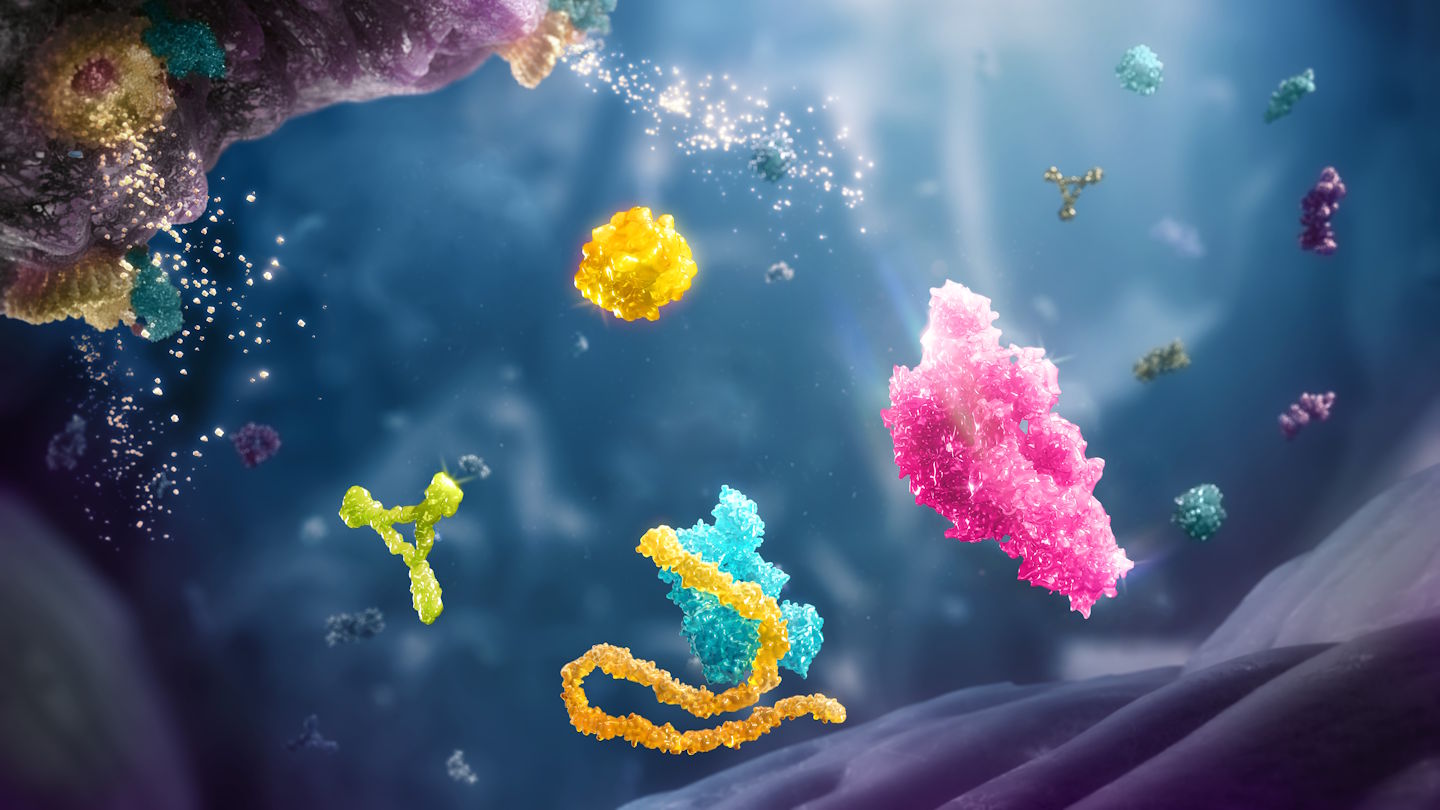
Following the Science: The Evolution of Complement Inhibition in Rare Disease
Building on a legacy in complement science, we are advancing a new era of medicines focused on precision, specificity and improved outcomes for patients.

Health Equity • May 21, 2026
Understanding treatment impact and addressing disparities in rare disease care
Alexion’s leadership in rare disease is driven by the many individuals whose expertise, creativity and tenacity fuel our commitment to advancing innovative science.

Article • May 11, 2026
Tina’s Big Trip
Tina’s Big Trip is a heartfelt book that follow two sisters preparing for a journey to Italy as their family navigates the unseen complexities of rare disease.

Article • February 03, 2026
Pioneering new possibilities for the rare disease community
Rare Disease Day unites communities to drive strategies, funding, diagnosis and treatment, connecting local and global efforts for earlier, equitable care.
Veeva ID: Z4-89647
Date of preparation: October 2026