AI to shorten the rare disease diagnosis

More than 10,000 rare diseases are known today, yet the path to diagnosis remains one of medicine’s most complex challenges. Symptoms are often non-specific, allowing rare conditions to hide in plain sight, especially when physicians may encounter them perhaps once or twice in a career, if at all.
For patients and families, this complexity can mean years of uncertainty and, in some cases, irreversible consequences. It takes an average of five years to receive a diagnosis, involving over seven specialists and several misdiagnoses. Even then, fewer than 10% of known rare diseases have an approved treatment, underscoring the scale of unmet need.1
Today, advances in artificial intelligence (AI) are beginning to change that trajectory. Alexion is applying these technologies, through both original innovations and strategic partnerships, to help shorten the diagnostic odyssey and bring new therapies to patients faster.
Watch the video to hear more from Alexion’s R&D leaders about promising areas of diagnostic innovation that are bringing new hope to millions of people impacted by rare diseases.
Applying AI to help identify rare diseases earlier
For people living with a rare disease, early diagnosis is critical to improving outcomes. Since the late 1960s, newborn screening has played a vital role in enabling identification of genetic disorders and early therapeutic intervention. Yet today, current newborn screening captures only a small fraction of rare diseases. More than 10,000 rare diseases are known today. Yet recommended newborn screening panels cover only about 40 core conditions leaving the vast majority of rare genetic diseases undetectable at birth.2,3
To help close the diagnostic gap for the thousands of rare diseases beyond conventional screening panels, Alexion is collaborating with Rady Children’s Institute for Genomic Medicine to pioneer an approach to early detection as a founding member of a program called BeginNGS® (Begin Newborn Genomic Sequencing) that implements rapid whole-genome sequencing to identify rare genetic conditions before symptoms start. Research has already shown that this approach can deliver diagnoses for rare genetic diseases in just days, potentially leading to faster treatments, better health outcomes and lower healthcare costs.4
“Because roughly 80% of rare diseases have a genetic basis, I see genomic approaches like whole genome sequencing and creating AI algorithms that can help identify these patients as one of the greatest opportunities in diagnostics.”5 -Tom Defay, Deputy Head Diagnostics Strategy & Development at Alexion, AstraZeneca Rare Disease.
Not all genetic changes may lead to disease, however. To decrease the risk of confounding false alarms, Alexion is implementing AI to analyse large, multi-ancestry genetic databases to distinguish disease-causing changes from benign ones, which can reduce false alarms by 97%, bringing peace of mind to patients and families.6
While newborn screening is an important tool for early detection, many individuals living with rare diseases are not diagnosed until later in life. To continue to overcome barriers to diagnosis, it is critical to find new ways to identify undiagnosed patients and enable earlier treatment intervention.
Improving the rare disease diagnostic journey
Alexion’s commitment to close diagnostic gaps in rare disease extend well beyond newborn screening. For many patients, non-specific symptoms and inattentional blindness mean rare diseases hide in plain sight, delaying diagnosis for years. As Chathuri Daluwatte, Head of AI Diagnostics at Alexion, AstraZeneca Rare Disease, notes: “AI is the biggest changemaker that can happen to rare diseases in terms of diagnostics.”
Combined with clinical expertise, AI-based approaches can detect subtle signatures earlier that cannot be detected by the human eye and help uncover hidden patterns in clinical data that could assist healthcare providers in diagnosis and routine care. Through collaborations and partnerships, Alexion is exploring AI-based tools designed to support detection of patients who may warrant further evaluation for certain rare diseases, including cardiac amyloidosis and HPP.
Cardiac amyloidosis: As part of an ongoing collaboration, we are pursuing the development of an AI software as a medical device to support detection of subtle features associated with cardiac amyloidosis in routine echocardiograms aiming to facilitate early detection.
Hypophosphatasia (HPP): We are in an ongoing collaboration to advance the development of an AI-based clinical decision support software that analyses electronic medical records to connect data points that may be consistent with HPP. The approach is intended to evaluate a patient’s medical records to help detect patterns that warrant further assessment of HPP.
These technologies are being explored for their potential to support earlier detection of rare diseases prompting further diagnostic evaluation for patients, helping to streamline the diagnostic journey.
Looking Towards the Future
Artificial intelligence is redefining what is possible in rare disease – from early detection and faster diagnosis to treatment management. At Alexion, these innovations are helping shorten the diagnostic odyssey and expand treatment possibilities, moving us closer to a future where patients receive answers faster and can access therapies sooner.
References
- Fermaglich, L. J., & Miller, K. L. (2023). A comprehensive study of the rare diseases and conditions targeted by orphan drug designations and approvals over the forty years of the Orphan Drug Act. Orphanet journal of rare diseases, 18 (1), 163. https://doi.org/10.1186/s13023-023-02790-7
- GlobalGenes.org. Rare disease facts. Available here. Accessed May 2026.
- HRSA.gov. Health Resources and Services Administration. Available here. Accessed May 2026.
- Dimmock D, Caylor S, Waldman B, Benson W, Ashburner C, Carmichael JL, et al. Project Baby Bear: Rapid precision care incorporating rWGS in 5 California children’s hospitals demonstrates improved clinical outcomes and reduced costs of care. Am J Hum Genet. 2021;108(7):1231–1238.
- National Human Genome Research Institute. Rare genetic diseases. Available here. Accessed May 2026.
- Kingsmore SF, et al. Prequalification of genome-based newborn screening for severe childhood genetic diseases through federated training based on purifying hyperselection. Am J Hum Genet. 2024;111(12):2618-2642.
More articles you may like

Article • September 22, 2026
How can data, healthcare access and global collaboration advance health equity in rare diseases?
Living with a rare disease is inherently inequitable. More than 400 million people worldwide live with a rare disease, yet in many countries, it can take years to receive a diagnosis.1 Even once a diagnosis is confirmed, fewer than 10% of known rare diseases have an approved treatment.1 People living with rare diseases face inconsistent access to diagnostics, specialist care and treatments. These disparities are amplified in rural and lower-resource settings. The result is a persistent global gap between what is scientifically possible and what is practically accessible.

Thought Leadership • August 19, 2026
Advancing Rare Disease Research Through Patient-Centric Trial Design: Hear from Alexion R&D leader Gianluca Pirozzi
As Head of Development, Regulatory and Safety at Alexion, Gianluca Pirozzi channels his life’s experience with rare disease to inform his work at Alexion, ensuring clinical programmes are fueled by a patient-focused mindset.

Thought Leadership • August 12, 2026
Keeping Patients at the Forefront of Rare Disease Innovation: Hear from Alexion R&D leader Seng H. Cheng
More than 10,000 rare diseases have been identified, yet fewer than 10% have an approved treatment available. For many patients and families, the urgency is compounded by rapidly progressive disease, long diagnostic journeys and limited therapeutic options.
Research and Development • August 12, 2026
Following the Science: The Evolution of Complement Inhibition in Rare Disease
Building on a legacy in complement science, we are advancing a new era of medicines focused on precision, specificity and improved outcomes for patients.
Research and Development • July 16, 2026
Advancing genomic medicine in rare diseases
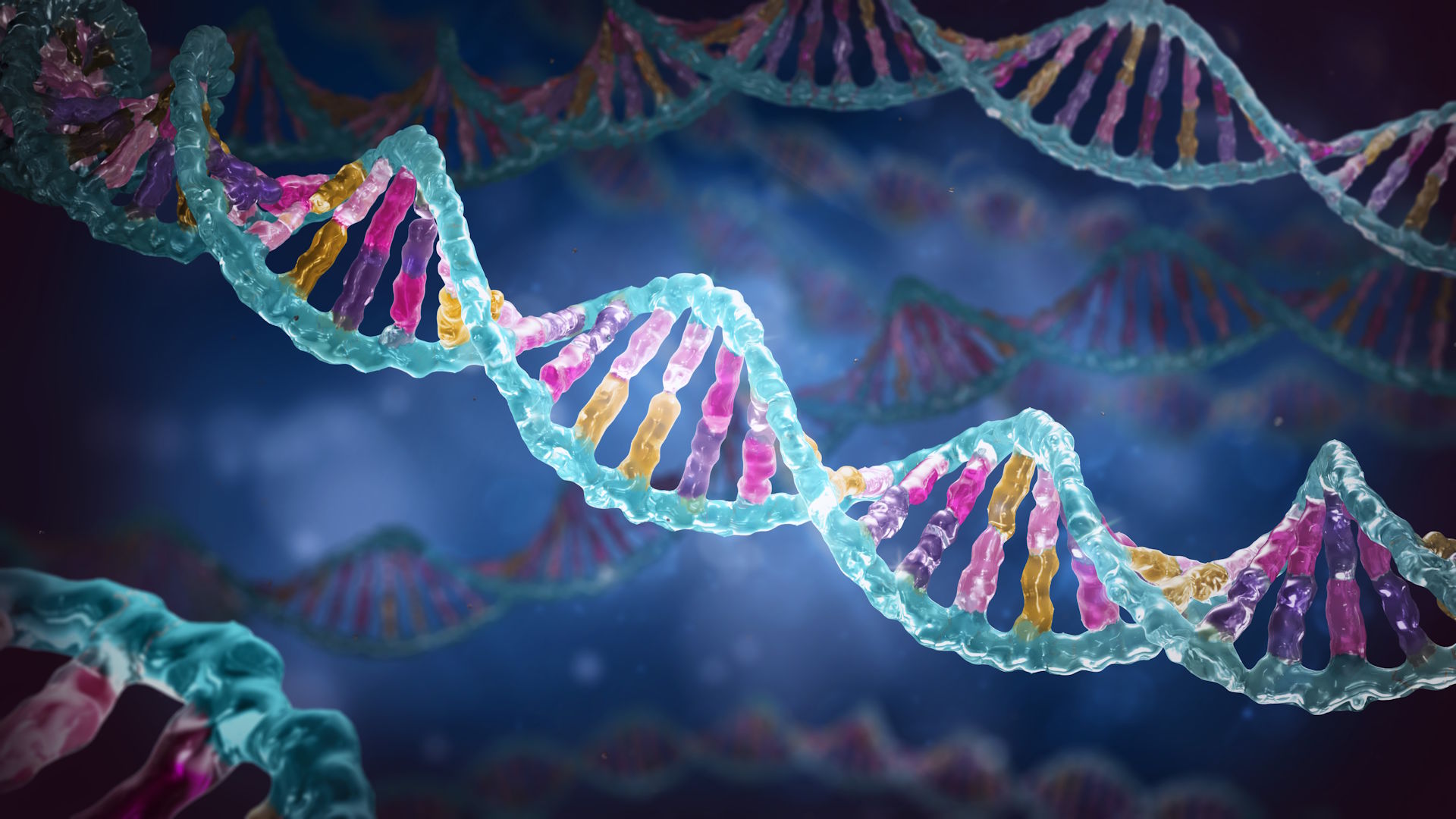
Genomics, the science of how genes function and interact, is helping shape how rare diseases are understood and treated. With approximately 80% of rare diseases believed to have a genetic cause, genomic medicine for rare diseases may support more precise approaches that aim to address disease at its genetic source. This includes innovation across gene therapy, with the aim of expanding options for patients with rare diseases.

Health Equity • May 21, 2026
Understanding treatment impact and addressing disparities in rare disease care
Alexion’s leadership in rare disease is driven by the many individuals whose expertise, creativity and tenacity fuel our commitment to advancing innovative science.

Article • May 11, 2026
Tina’s Big Trip
Tina’s Big Trip is a heartfelt book that follow two sisters preparing for a journey to Italy as their family navigates the unseen complexities of rare disease.

Article • February 03, 2026
Pioneering new possibilities for the rare disease community
Rare Disease Day unites communities to drive strategies, funding, diagnosis and treatment, connecting local and global efforts for earlier, equitable care.

Clinical Trials • October 15, 2026
Shaping the future of R&D with real world insights into rare disease
Studying a rare disease often involves working with fragmented information, much like piecing together scattered pages of different books, each offering part of the story but rarely forming a complete picture. Researchers face this challenge due to small, often underdiagnosed, patient populations and limited understanding of how these diseases progress over time.
Veeva ID: GL/NP/0288 V2 07/2026