
Research and Development
•
August 12, 2026
Following the Science: The Evolution of Complement Inhibition in Rare Disease
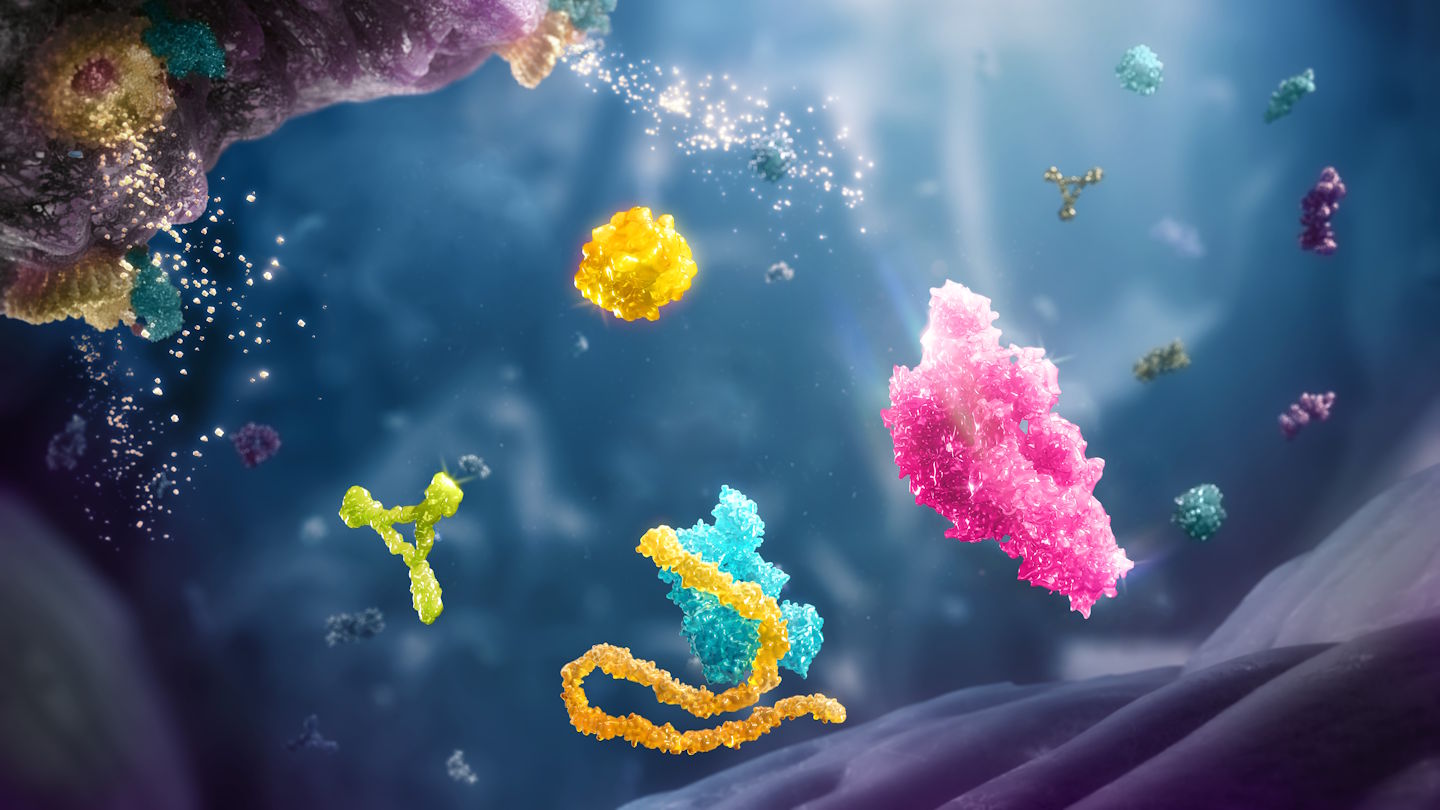
The complement system is one of the body’s most essential and intricate immune defence systems: a chain reaction, or cascade, of proteins that work together to identify what belongs and clear what doesn’t. But when this system becomes dysregulated, it can mistakenly act against the body’s own healthy cells, driving rare and serious diseases. More than 30 years ago, we pursued the science and pioneered complement inhibition, demonstrating that this pathway could be targeted with the right approach. By becoming the first to translate the biology of this cascade, we established a therapeutic foundation for treating complement-mediated rare diseases, redefining the treatment of certain rare haematological, nephrological and neurological disorders.
Today, that same pioneering spirit drives Alexion, AstraZeneca Rare Disease. By harnessing innovative approaches, from engineered nanobodies to RNA-based therapies, we aim to continue following the evolving understanding of the biology of the complement cascade, address disease at its source and ultimately deliver medicines that push the boundaries of what is possible in rare disease.
The complement system: From scientific complexity to clinical foundation
The immune system is a complex network of organs, cells and proteins which work together to respond to injuries and protect the body against infection by identifying and removing disease-causing pathogens. The complement system is part of the immune system, comprising more than 30 proteins across three unique pathways (Classical, Lectin and Alternative), each triggered by a distinct cascade of reactions. When this cascade is dysregulated, it can cause significant damage to healthy cells and tissues.
Historically, the concept of complement inhibition, or targeting specific proteins within the complement system to prevent the unwanted destruction of cells, was viewed with skepticism. Guided by scientific evidence, we continued to investigate the complement system’s role in driving certain rare diseases.
Our research in targeting the complement system focused on paroxysmal nocturnal haemoglobinuria (PNH), a rare and potentially life-threatening blood disorder. This work represented a significant step forward in the understanding of PNH and established complement inhibition as a validated foundation for developing therapies across other rare diseases.
Advancing complement science to expand possibilities for patients
As the scientific understanding of complement biology continues to evolve and new modalities and technologies mature, we are identifying opportunities to target the complement cascade across multiple points. By pairing novel targets within the complement pathway with the modalities best designed to modulate them, we are researching approaches designed to address the underlying biology of rare diseases.
Guided by patients’ needs and experiences, our ongoing work in complement science is helping advance the development of best- and first-in-class medicines for a broader range of rare diseases and helping improve specificity, flexibility and the patient experience.
Among these is the potential ability to selectively modulate complement activation earlier in the cascade by targeting C3. Understanding how C3 is produced and regulated revealed a distinct investigational approach. Rather than blocking proteins that are abundant in circulation, investigational RNA-based therapies known as siRNA (small interfering RNA) aim to silence the genetic instructions that drive protein production at their source. This represents a fundamentally different way of thinking about complement modulation, one that may open new possibilities for diseases where earlier control of the cascade matters.
Following the biology reveals not just what to target, but how precisely to act. Drawing on decades of experience, we continue to investigate new ways to modulate complement proteins. Nanobody-based modalities represent one investigational direction. Nanobodies are fragments of antibodies and are versatile in that they can be linked together to create multifunctional therapeutics. These structural properties may offer the potential for the creation of therapeutics that can address multiple targets simultaneously. Alexion has several nanobody-based therapeutics in clinical development.
We are investigating approaches that could direct therapeutic activity to exactly where it is needed, such as specific tissues like the kidneys. We are also exploring whether selectively interrupting the cascade's amplification loop could offer a more targeted way to protect tissues from complement-mediated damage. Each investigational approach is designed with a specific biological rationale in mind, reflecting our strategy of letting the biology guide which technology we apply and where.
Looking towards the future
The complement cascade continues to reveal new possibilities and we intend to pursue this evolving science, advancing our understanding and expanding what science can do for patients living with rare diseases.
Our leadership in complement
Authored By
More articles you may like

Article • September 22, 2026
How can data, healthcare access and global collaboration advance health equity in rare diseases?
Living with a rare disease is inherently inequitable. More than 400 million people worldwide live with a rare disease, yet in many countries, it can take years to receive a diagnosis.1 Even once a diagnosis is confirmed, fewer than 10% of known rare diseases have an approved treatment.1 People living with rare diseases face inconsistent access to diagnostics, specialist care and treatments. These disparities are amplified in rural and lower-resource settings. The result is a persistent global gap between what is scientifically possible and what is practically accessible.
Thought Leadership • August 19, 2026
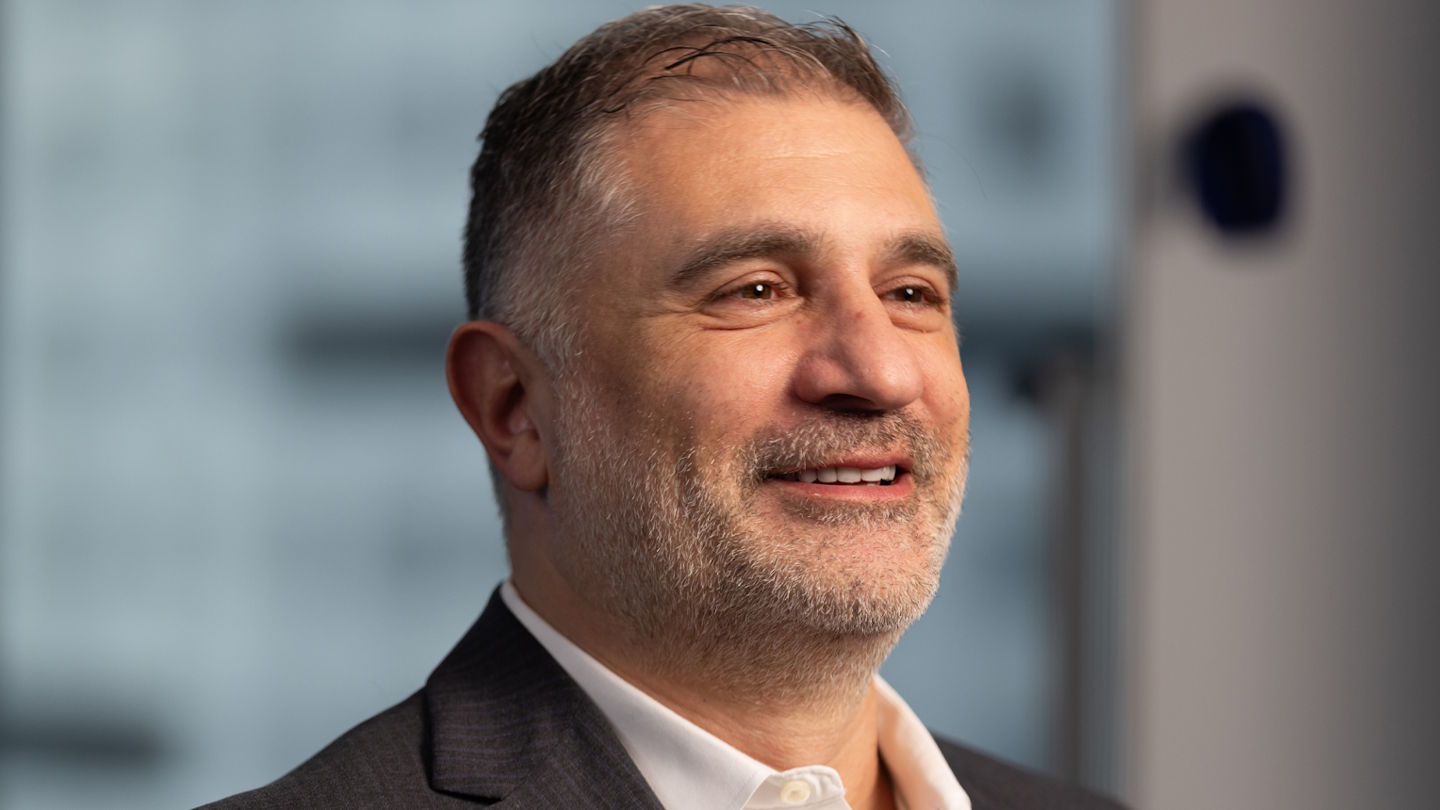
Advancing Rare Disease Research Through Patient-Centric Trial Design: Hear from Alexion R&D leader Gianluca Pirozzi
As Head of Development, Regulatory and Safety at Alexion, Gianluca Pirozzi channels his life’s experience with rare disease to inform his work at Alexion, ensuring clinical programmes are fueled by a patient-focused mindset.

Data Science and AI • August 13, 2026
AI to shorten the rare disease diagnosis
More than 10,000 rare diseases are known today, yet the path to diagnosis remains one of
medicine’s most complex challenges. Symptoms are often non-specific, allowing rare
conditions to hide in plain sight, especially when physicians may encounter them perhaps
once or twice in a career, if at all.

Thought Leadership • August 12, 2026
Keeping Patients at the Forefront of Rare Disease Innovation: Hear from Alexion R&D leader Seng H. Cheng
More than 10,000 rare diseases have been identified, yet fewer than 10% have an approved treatment available. For many patients and families, the urgency is compounded by rapidly progressive disease, long diagnostic journeys and limited therapeutic options.
Research and Development • July 16, 2026
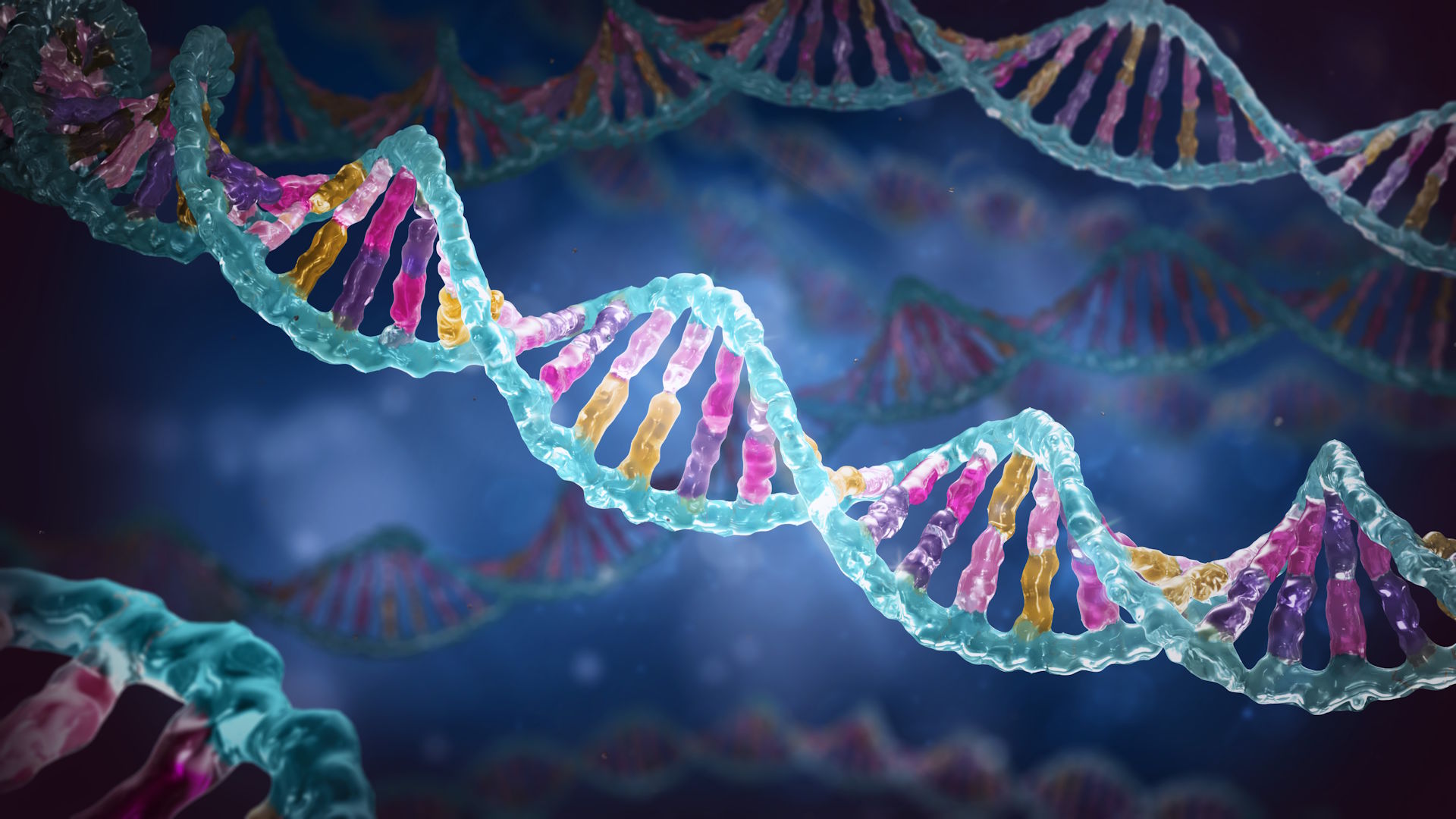
Advancing genomic medicine in rare diseases
Genomics, the science of how genes function and interact, is helping shape how rare diseases are understood and treated. With approximately 80% of rare diseases believed to have a genetic cause, genomic medicine for rare diseases may support more precise approaches that aim to address disease at its genetic source. This includes innovation across gene therapy, with the aim of expanding options for patients with rare diseases.

Health Equity • May 21, 2026
Understanding treatment impact and addressing disparities in rare disease care
Alexion’s leadership in rare disease is driven by the many individuals whose expertise, creativity and tenacity fuel our commitment to advancing innovative science.

Article • May 11, 2026
Tina’s Big Trip
Tina’s Big Trip is a heartfelt book that follow two sisters preparing for a journey to Italy as their family navigates the unseen complexities of rare disease.

Article • February 03, 2026
Pioneering new possibilities for the rare disease community
Rare Disease Day unites communities to drive strategies, funding, diagnosis and treatment, connecting local and global efforts for earlier, equitable care.

Clinical Trials • October 15, 2026
Shaping the future of R&D with real world insights into rare disease
Studying a rare disease often involves working with fragmented information, much like piecing together scattered pages of different books, each offering part of the story but rarely forming a complete picture. Researchers face this challenge due to small, often underdiagnosed, patient populations and limited understanding of how these diseases progress over time.