- Home
- News Centre Resources
- Driving health equity for the rare disease community
Driving health equity for the rare disease community

Collectively, more than 400 million people around the world are living with a rare disease, defined as conditions that affect a small number of people compared to the general population.1 The rare disease community is by far the most marginalised patient community, no matter their race, background, socio-economic level or geography, because they face unique challenges, many beyond those that hinder access to health care for people living with more common chronic conditions.
People living with rare diseases often have a lengthy diagnostic journey, lack treatment options, and encounter limited awareness of their conditions. For people living with a rare disease, health inequity remains a major barrier to their care, and it is a top priority that we must address.
There are more than 10,000 rare diseases, more than 90 percent of which do not have an approved treatment.2, 3 On average, it takes nearly five years —and often longer — to receive a rare disease diagnosis, a journey that often involves multiple doctors, specialists and misdiagnoses along the way.4 Many rare diseases can be difficult to detect, making misdiagnosis common, particularly for neurological diseases or diseases that present in childhood or adolescence.
Before and after diagnosis, living with a rare condition can make nearly every aspect of life more difficult. People who have rare diseases, along with their caregivers, often experience economic hardship, greater social isolation, significant delays in treatment, and poorer health outcomes. In countries with weak medical, social, and economic infrastructures, the challenges are magnified for people with rare diseases.
Making a meaningful impact for people with rare diseases, everyday
We are committed to taking bold steps to overcome these societal and policy challenges and improve health equity for people living with rare diseases:
- Reducing the time to diagnosis: Access to effective screening and diagnostic tools remains inequitable for many rare disease patients. We are working to expand access to newborn screenings and next-generation sequencing, two key ways to provide needed answers more rapidly. We also are developing and testing digital health technologies to make it easier to reach undiagnosed patients in underserved geographic locations.
- Improving access to care and treatment: Rare disease patients — regardless of where they live — face significant obstacles to accessing quality health care and treatment. With digital technology expertise and support, we can overcome barriers for people living in rural or underserved areas, who often lack medical clinics, reliable internet connectivity and transportation options that can delay or impede access to necessary care. These technological advances have hastened the discovery of new treatments for patients with rare diseases.
- Encouraging the enactment of equitable rare disease health policy: Addressing health equity challenges will require policymakers and health care stakeholders to consider the unique circumstances inherent to rare disease drug development, reimbursement and diagnosis, among other issues, and craft sound policy solutions. Such solutions also should encourage and facilitate patient access to treatments and be supported by a health care infrastructure that encourages appropriate data collection and medical research, the use of real-world evidence and collaboration across communities.
Underpinning these steps is the need to enhance outreach and education, especially among health care providers, because raising awareness of rare diseases in underserved communities can make a difference in care. Health care providers often lack knowledge of rare diseases and have their own biases, making it hard to diagnose and provide appropriate treatments for patients.
A joint effort to transform the lives of people with rare diseases
While we have an important role to play, we cannot solve all the issues faced by rare disease patients on our own. We applaud the work of organizations like Rare Diseases International, EURORDIS and others that have been instrumental to furthering the concept of health inequity from a rare disease perspective, leading the United Nations to take steps to recognize and address the broad challenges facing people living with rare diseases, and urging UN Member States to take action.
We also have further affirmed our commitment to change through our support of the Global Health Equity Network Zero Health Gaps Pledge. Now we need country-level action to bolster this progress so that those living with rare diseases have the same opportunities as the rest of society. We call on policymakers, health care providers, patients and other stakeholders to join us at every step of the process.
We are determined to make a difference -- reducing time to diagnosis, improving access to care and treatment, and engaging global policymakers to advocate for broader support for the rare disease community. That’s because rare disease patients and their families around the world are counting on us to meet their needs, not only on Rare Disease Day, but on each and every day.
References:
- Rare disease facts [Internet]. 2024 [cited 2024 Jan 17]. Available from: https://globalgenes.org/rare-disease-facts/
- Fermaglich LJ, Miller KL. A comprehensive study of the rare diseases and conditions targeted by orphan drug designations and approvals over the Forty Years of the Orphan Drug Act. Orphanet Journal of Rare Diseases. 2023 Jun 23;18(1). doi:10.1186/s13023-023-02790-7
- About [Internet]. U.S. Department of Health and Human Services; [cited 2024 Jan 17]. Available from: https://rarediseases.info.nih.gov/about
- Barriers to Rare Disease Diagnosis, Care and Treatment in the U.S.: A 30 Year Comparative Analysis. National Organization for Rare Disorders; 2020 Nov [cited 2023 Feb 8]. Available from: https://rarediseases.org/wp-content/uploads/2020/11/NRD-2088-Barriers-30-Yr-Survey-Report_FNL-2.pdf
Share This Page
More articles you may like
Thought Leadership • August 19, 2026
Advancing Rare Disease Research Through Patient-Centric Trial Design: Hear from Alexion R&D leader Gianluca Pirozzi
As Head of Development, Regulatory and Safety at Alexion, Gianluca Pirozzi channels his life’s experience with rare disease to inform his work at Alexion, ensuring clinical programmes are fueled by a patient-focused mindset.

Data Science and AI • August 13, 2026
AI to shorten the rare disease diagnosis
More than 10,000 rare diseases are known today, yet the path to diagnosis remains one of
medicine’s most complex challenges. Symptoms are often non-specific, allowing rare
conditions to hide in plain sight, especially when physicians may encounter them perhaps
once or twice in a career, if at all.

Thought Leadership • August 12, 2026
Keeping Patients at the Forefront of Rare Disease Innovation: Hear from Alexion R&D leader Seng H. Cheng
More than 10,000 rare diseases have been identified, yet fewer than 10% have an approved treatment available. For many patients and families, the urgency is compounded by rapidly progressive disease, long diagnostic journeys and limited therapeutic options.
Research and Development • August 12, 2026
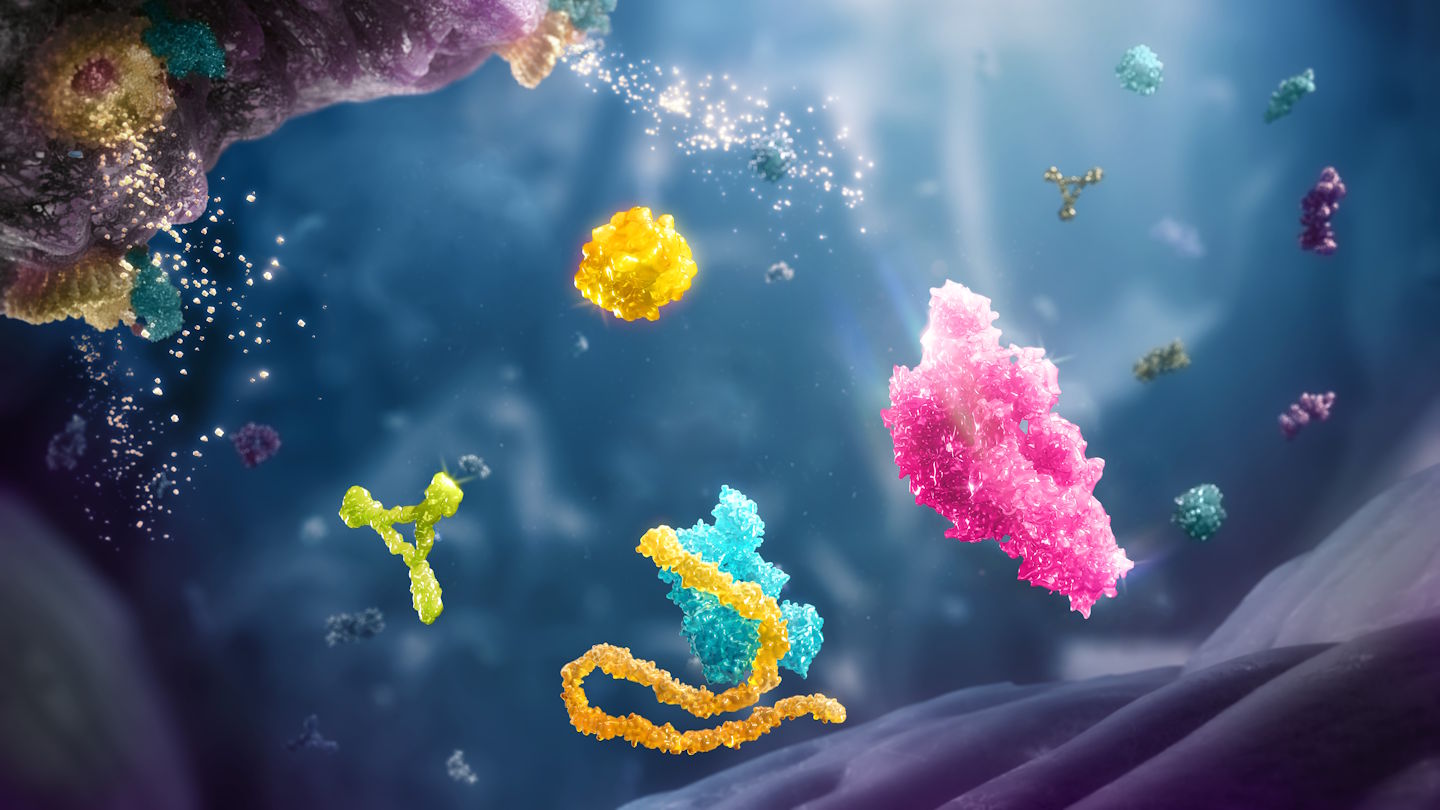
Following the Science: The Evolution of Complement Inhibition in Rare Disease
Building on a legacy in complement science, we are advancing a new era of medicines focused on precision, specificity and improved outcomes for patients.
Research and Development • July 16, 2026
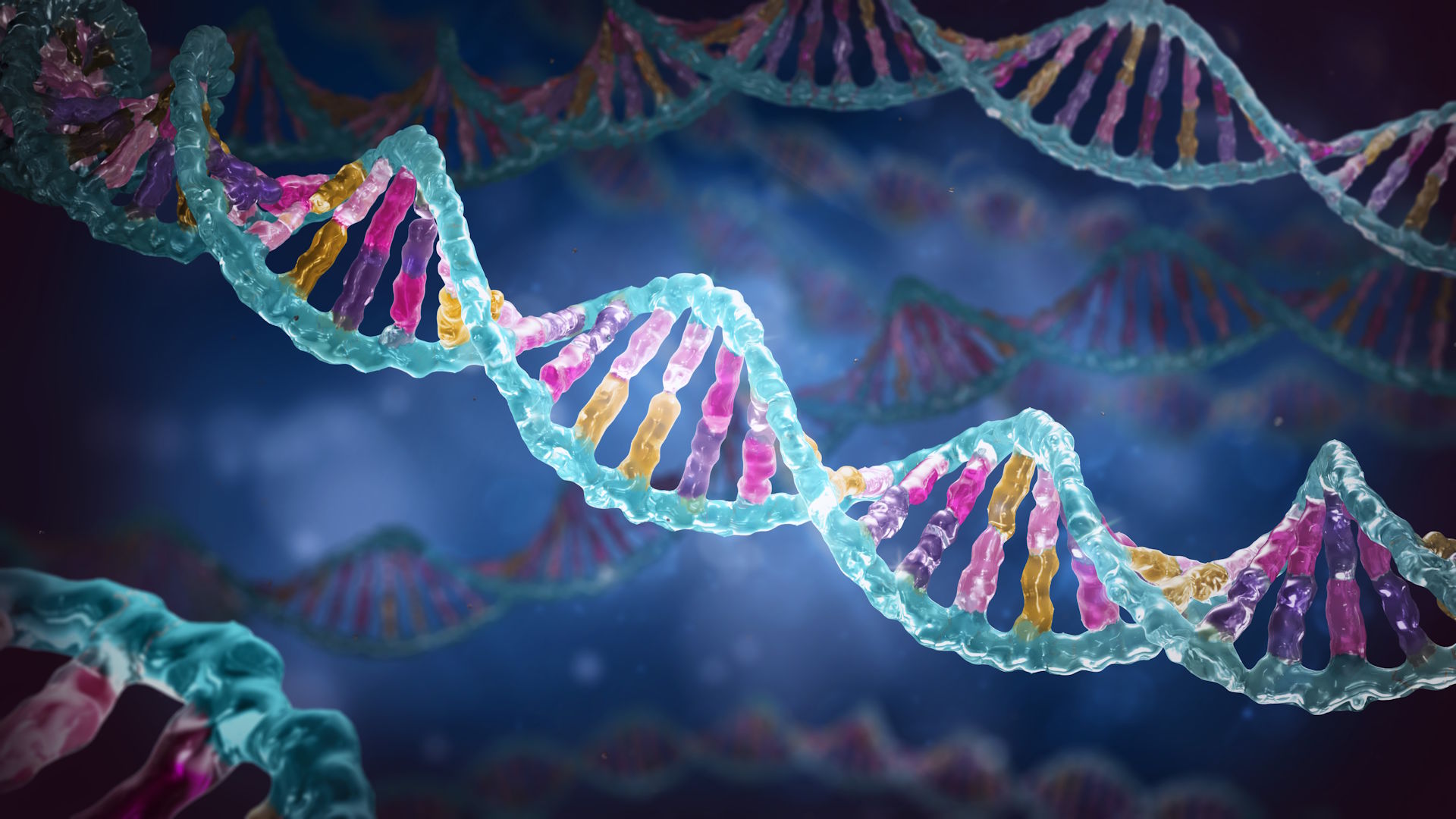
Advancing genomic medicine in rare diseases
Genomics, the science of how genes function and interact, is helping shape how rare diseases are understood and treated. With approximately 80% of rare diseases believed to have a genetic cause, genomic medicine for rare diseases may support more precise approaches that aim to address disease at its genetic source. This includes innovation across gene therapy, with the aim of expanding options for patients with rare diseases.

Health Equity • May 21, 2026
Understanding treatment impact and addressing disparities in rare disease care
Alexion’s leadership in rare disease is driven by the many individuals whose expertise, creativity and tenacity fuel our commitment to advancing innovative science.

Article • May 11, 2026
Tina’s Big Trip
Tina’s Big Trip is a heartfelt book that follow two sisters preparing for a journey to Italy as their family navigates the unseen complexities of rare disease.

Article • February 03, 2026
Pioneering new possibilities for the rare disease community
Rare Disease Day unites communities to drive strategies, funding, diagnosis and treatment, connecting local and global efforts for earlier, equitable care.

Clinical Trials • October 28, 2025
Shaping the future of R&D with real world insights into rare disease
Studying a rare disease often involves working with fragmented information, much like piecing together scattered pages of different books, each offering part of the story but rarely forming a complete picture. Researchers face this challenge due to small, often underdiagnosed, patient populations and limited understanding of how these diseases progress over time.
Diagnostics • September 17, 2025
Genomic Innovation to Support Newborn Screening of Rare Diseases
Today, while more than 10,000 rare diseases are known, recommended newborn screening panels cover only about 40 core conditions. This gap underscores the need for innovative approaches to expand the reach of newborn screening.
Veeva ID: GL/ALL/0045