
Understanding & Overcoming the Challenges in Rare Disease Clinical Trials
Why is conducting clinical trials for rare diseases difficult? Because studying a rare disease poses unique challenges and requires thinking differently.
Advancing innovative science into a new medicine for a rare disease is complicated by many factors, including:
- Rare diseases are often not well understood, compared to more common diseases. The low numbers of people living with each rare disease makes it difficult to study.
- For many rare diseases, established endpoints, or defined clinical measures, don’t exist.
- Because many have no approved therapies, rare diseases often lack a clearly defined clinical trial roadmap.
Science is hard, and this is especially true for rare diseases where awareness, assays, endpoints, patient registries, regulatory precedent, and many other sources of information often do not exist.
Understanding the unique challenges and meeting patient needs
Alexion’s approach to rare disease clinical research is guided by the insights and perspectives we gain from listening to and learning from the rare disease communities we aim to serve. This is why Alexion continues to lead the way in helping to address the unique challenges of designing, recruiting, and conducting clinical trials for rare diseases.
Pioneering Innovation in Rare Disease Research and Development (R&D)
Our ability to deliver transformative therapies for people living with rare diseases stems from a deep understanding of patients’ lived experiences and close relationships with the rare disease community. In addition to designing research frameworks and systems to inform rigorous clinical trials, we’re also conducting research aimed at shortening the diagnostic odyssey, which can take as long as five years for many rare diseases.
Alexion’s bold and creative approaches are essential to delivering transformational medicines for diseases where few to no options exist. Where there are no well-defined clinical development roadmaps or regulatory pathways to follow, our teams continuously think outside the box to incorporate patient and caregiver insights and real-world evidence into our research programs. This helps to ensure that our clinical trials are designed to represent patients’ unique needs, demonstrate the impact of what is often a first-of-its-kind medicine, and comply with global regulatory requirements.
Fearlessly pursuing today’s most pressing rare diseases requires researchers to think differently about R&D – and we remain committed to leading the way. At Alexion, our deep understanding of the patient journey informs our decisions about trial design, including considerations on how to reduce the burden for clinical trial participants and their caregivers.
We continue to pioneer new approaches to accelerate the discovery and development of transformative medicine where scientific progress has stalled or there are limited or no treatment options – because we know the need is great, and people are counting on us.
Learn about our work in research and development.
More articles you may like

Article • September 22, 2026
How can data, healthcare access and global collaboration advance health equity in rare diseases?
Living with a rare disease is inherently inequitable. More than 400 million people worldwide live with a rare disease, yet in many countries, it can take years to receive a diagnosis.1 Even once a diagnosis is confirmed, fewer than 10% of known rare diseases have an approved treatment.1 People living with rare diseases face inconsistent access to diagnostics, specialist care and treatments. These disparities are amplified in rural and lower-resource settings. The result is a persistent global gap between what is scientifically possible and what is practically accessible.
Thought Leadership • August 19, 2026
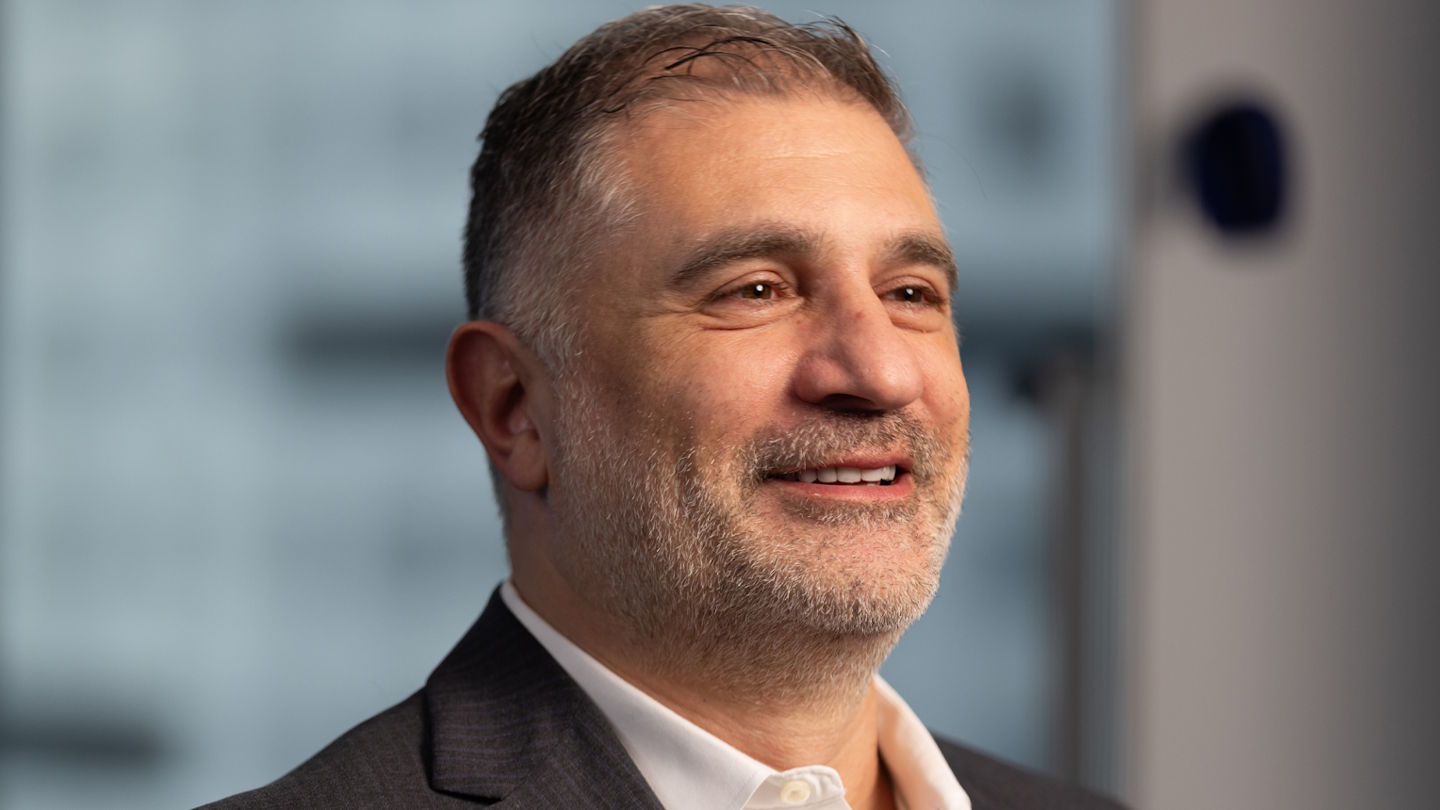
Advancing Rare Disease Research Through Patient-Centric Trial Design: Hear from Alexion R&D leader Gianluca Pirozzi
As Head of Development, Regulatory and Safety at Alexion, Gianluca Pirozzi channels his life’s experience with rare disease to inform his work at Alexion, ensuring clinical programmes are fueled by a patient-focused mindset.

Data Science and AI • August 13, 2026
AI to shorten the rare disease diagnosis
More than 10,000 rare diseases are known today, yet the path to diagnosis remains one of
medicine’s most complex challenges. Symptoms are often non-specific, allowing rare
conditions to hide in plain sight, especially when physicians may encounter them perhaps
once or twice in a career, if at all.

Thought Leadership • August 12, 2026
Keeping Patients at the Forefront of Rare Disease Innovation: Hear from Alexion R&D leader Seng H. Cheng
More than 10,000 rare diseases have been identified, yet fewer than 10% have an approved treatment available. For many patients and families, the urgency is compounded by rapidly progressive disease, long diagnostic journeys and limited therapeutic options.
Research and Development • August 12, 2026
Following the Science: The Evolution of Complement Inhibition in Rare Disease
Building on a legacy in complement science, we are advancing a new era of medicines focused on precision, specificity and improved outcomes for patients.
Research and Development • July 16, 2026
Advancing genomic medicine in rare diseases
Genomics, the science of how genes function and interact, is helping shape how rare diseases are understood and treated. With approximately 80% of rare diseases believed to have a genetic cause, genomic medicine for rare diseases may support more precise approaches that aim to address disease at its genetic source. This includes innovation across gene therapy, with the aim of expanding options for patients with rare diseases.

Health Equity • May 21, 2026
Understanding treatment impact and addressing disparities in rare disease care
Alexion’s leadership in rare disease is driven by the many individuals whose expertise, creativity and tenacity fuel our commitment to advancing innovative science.

Article • May 11, 2026
Tina’s Big Trip
Tina’s Big Trip is a heartfelt book that follow two sisters preparing for a journey to Italy as their family navigates the unseen complexities of rare disease.

Article • February 03, 2026
Pioneering new possibilities for the rare disease community
Rare Disease Day unites communities to drive strategies, funding, diagnosis and treatment, connecting local and global efforts for earlier, equitable care.

Clinical Trials • October 28, 2025
Shaping the future of R&D with real world insights into rare disease
Studying a rare disease often involves working with fragmented information, much like piecing together scattered pages of different books, each offering part of the story but rarely forming a complete picture. Researchers face this challenge due to small, often underdiagnosed, patient populations and limited understanding of how these diseases progress over time.
Veeva ID: GL/ALL/0046